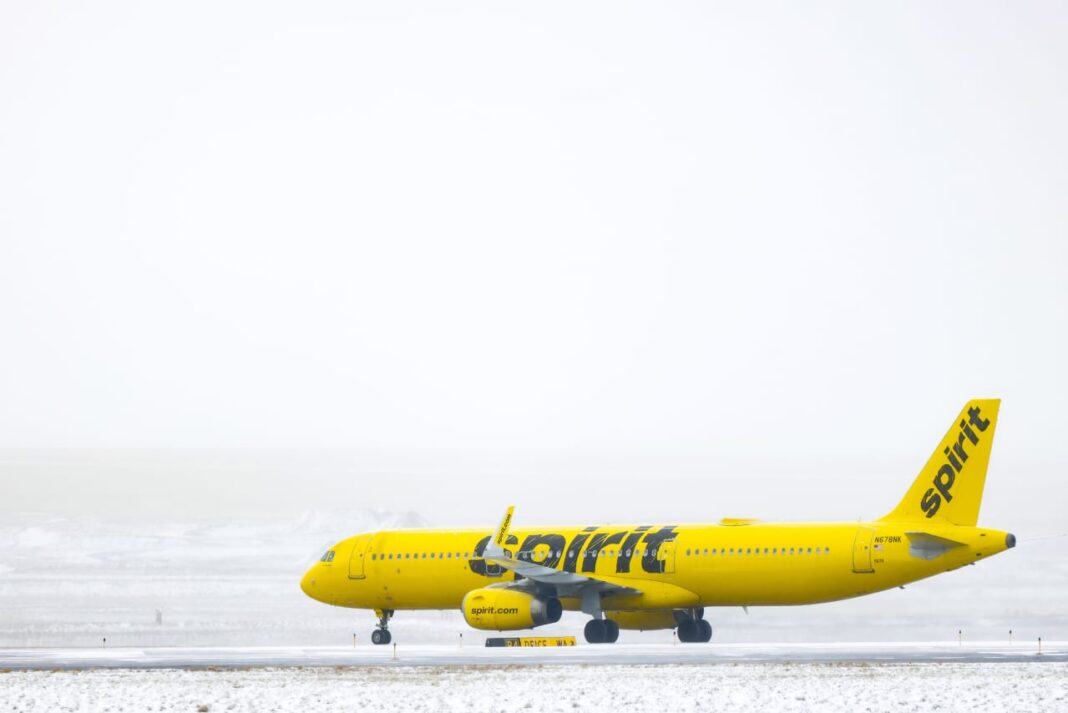
Spirit Airlines has canceled all future flights and is immediately shutting down. The abrupt halt has left thousands of passengers stranded and employees uncertain about their jobs.
A critical mistake drove the airline’s demise. Industry analysts point to Spirit’s aggressive expansion strategy that relied heavily on a single business model.
The carrier focused exclusively on ultra-low-cost fares, charging for every add-on service. This approach worked during strong travel demand but left no buffer during economic downturns.
Rising fuel costs and labor shortages compounded the problem. Spirit lacked the pricing flexibility to adjust quickly, unlike its competitors.
The airline also failed to build customer loyalty. Passengers often chose Spirit solely for low prices, switching to other carriers when fares became comparable.
A proposed merger with JetBlue fell through due to antitrust concerns. This blocked Spirit from gaining the scale needed to survive.
The shutdown affects more than 80 destinations across the Americas. Travelers are scrambling to rebook flights, and refund policies remain unclear.
Spirit’s collapse serves as a cautionary tale for budget airlines. Over-reliance on a single pricing model can lead to a sudden downfall.