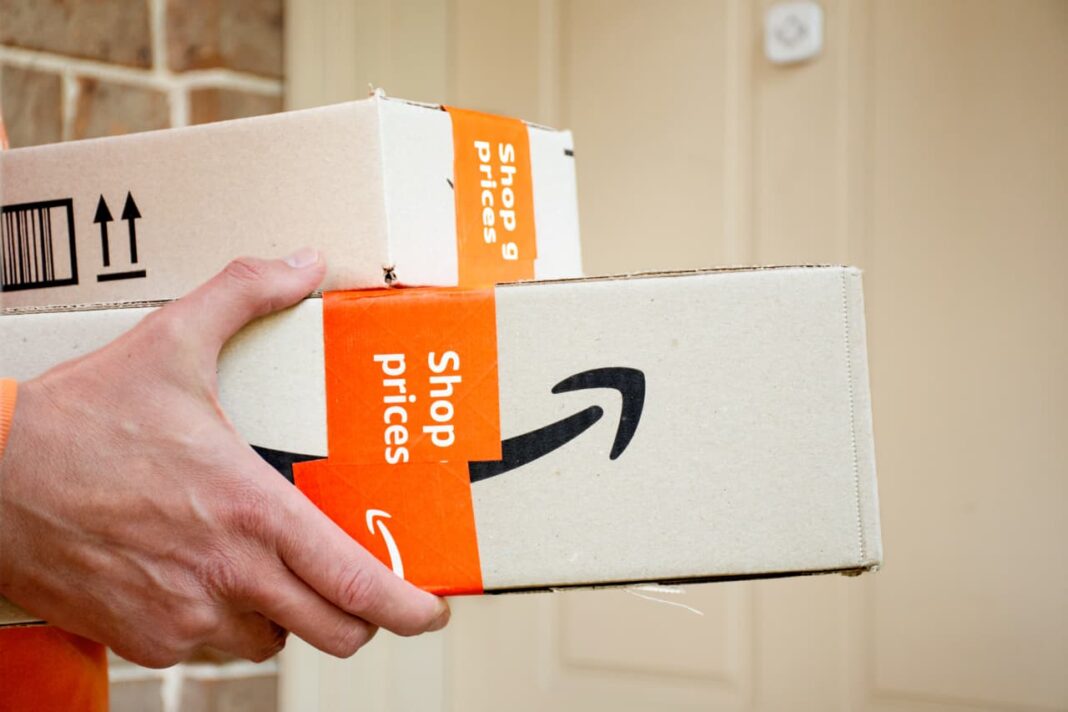
Amazon is building its own delivery network to compete directly with FedEx and UPS. The move signals a major shift in the logistics industry. Shares of both FedEx and UPS have dropped since the announcement.
One analyst, however, warns that disrupting the market may not be straightforward. Amazon faces significant hurdles in replicating the scale and reliability of established carriers. The analyst notes that building a delivery network from scratch is expensive and complex.
Amazon currently uses its own drivers for many of its deliveries. The company has also invested in a fleet of aircraft and sorting hubs. These efforts aim to reduce reliance on third-party shippers.
FedEx and UPS have decades of experience and infrastructure. They operate vast networks of planes, trucks, and sorting facilities. Amazon would need to match this efficiency to compete effectively.
The new service will initially focus on select cities and regions. This gradual rollout may limit immediate impact on major carriers. Amazon’s strategy appears cautious, prioritizing reliability over rapid expansion.
Logistics experts point out that shipping is a low-margin business. Amazon’s primary advantage is its existing demand from its own e-commerce operations. The company could use this base to lower costs over time.
Investors remain split on the long-term implications. Some see a direct threat to FedEx and UPS. Others believe Amazon will struggle to achieve the same profitability.
The outcome will depend on execution and customer adoption. If Amazon succeeds, it could reshape the delivery landscape. For now, the established players still hold a strong position.