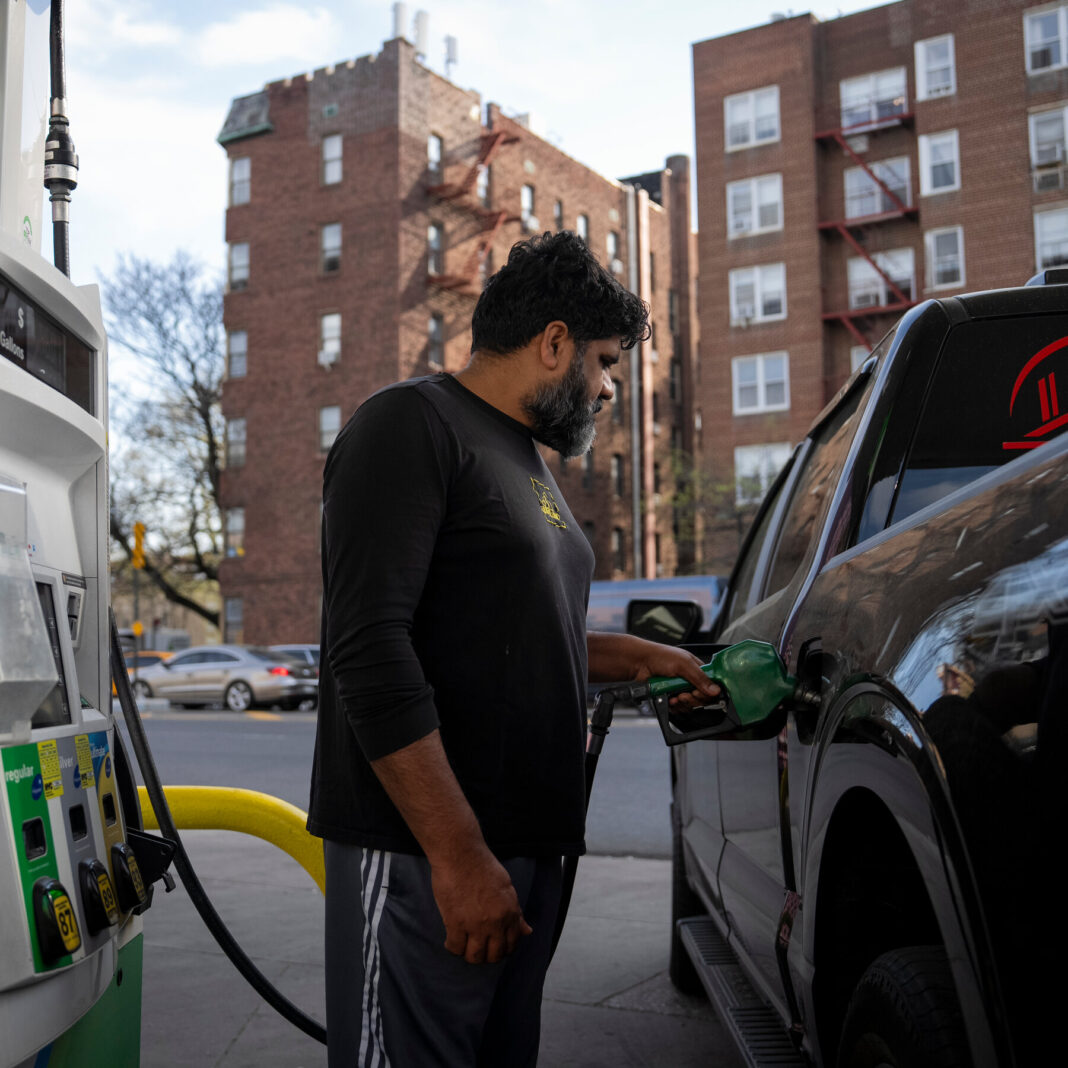
Gasoline prices vary significantly across the United States due to a combination of factors including shipping costs, state taxes, local competition, and environmental regulations. These elements create stark differences in what drivers pay at the pump.
Shipping costs play a major role in price disparities. Regions farther from major refineries or pipelines often face higher transportation expenses, which are passed on to consumers.
State taxes add another layer of variation. Some states impose higher fuel taxes to fund infrastructure projects, while others keep taxes low to attract business or reduce consumer costs.
Local competition among gas stations also influences pricing. In areas with many stations, prices tend to be lower due to competitive pressure, while isolated regions with fewer options see higher prices.
Environmental regulations contribute to price differences as well. Certain states require specialized fuel blends to reduce emissions, which can be more expensive to produce and distribute.
The current geopolitical situation, like the Iran war referenced in the original article, can amplify these factors by disrupting global oil supplies. This leads to price spikes that hit some regions harder than others.
Understanding these dynamics helps consumers anticipate price changes. It also highlights why filling up the tank can cost dramatically different amounts depending on location.