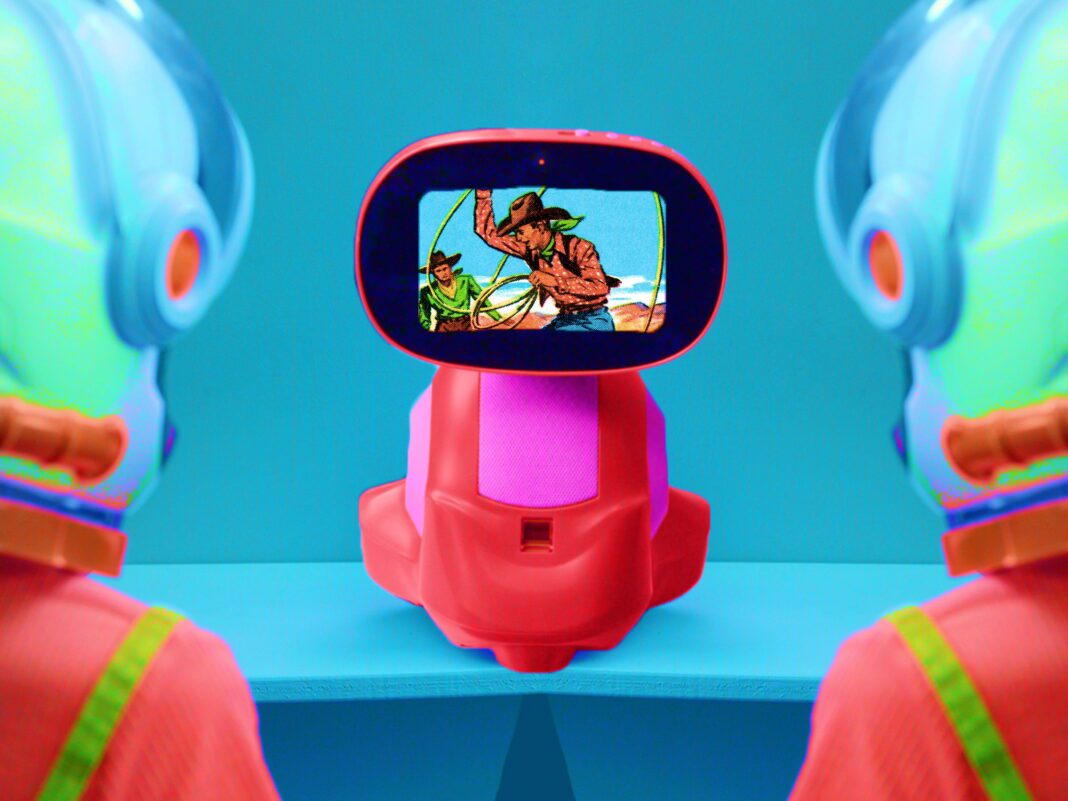
The rise of artificial intelligence in children’s toys is reshaping how kids play, learn, and interact. These cuddly, connected companions now engage in conversations, tell personalized stories, and respond to a child’s emotions. The technology promises to make playtime more interactive and educational.
But this innovation has sparked concern among parents and lawmakers. Many worry that AI toys collect sensitive data from children without clear safeguards. Privacy risks, including voice recordings and behavioral tracking, have become major issues.
Some experts argue that AI toys can disrupt traditional childhood experiences. Make-believe games, bedtime stories, and even simple conversations with parents may be replaced by algorithm-driven interactions. The long-term impact on social development remains uncertain.
Lawmakers in several states are now taking action. Some propose banning certain AI toys entirely, citing unresolved privacy and safety questions. Others push for stricter regulations on data collection and content moderation.
The toy industry resists these moves, claiming that AI companions enhance learning and creativity. Manufacturers argue that modern parents already use smart devices for education and entertainment. They see AI toys as a natural next step.
Regulators, however, demand testing and transparency. They want proof that these toys cannot be hacked or misused. Without federal standards, the market remains fragmented and risky.
Parents face a difficult choice. Many want the benefits of tech-enhanced play but fear unintended consequences. The debate over AI kids’ toys is far from settled.
This legal and ethical scramble mirrors the early days of social media. Just as lawmakers once struggled to regulate online platforms, they now grapple with AI in the nursery. The outcome will shape an entire generation’s childhood.