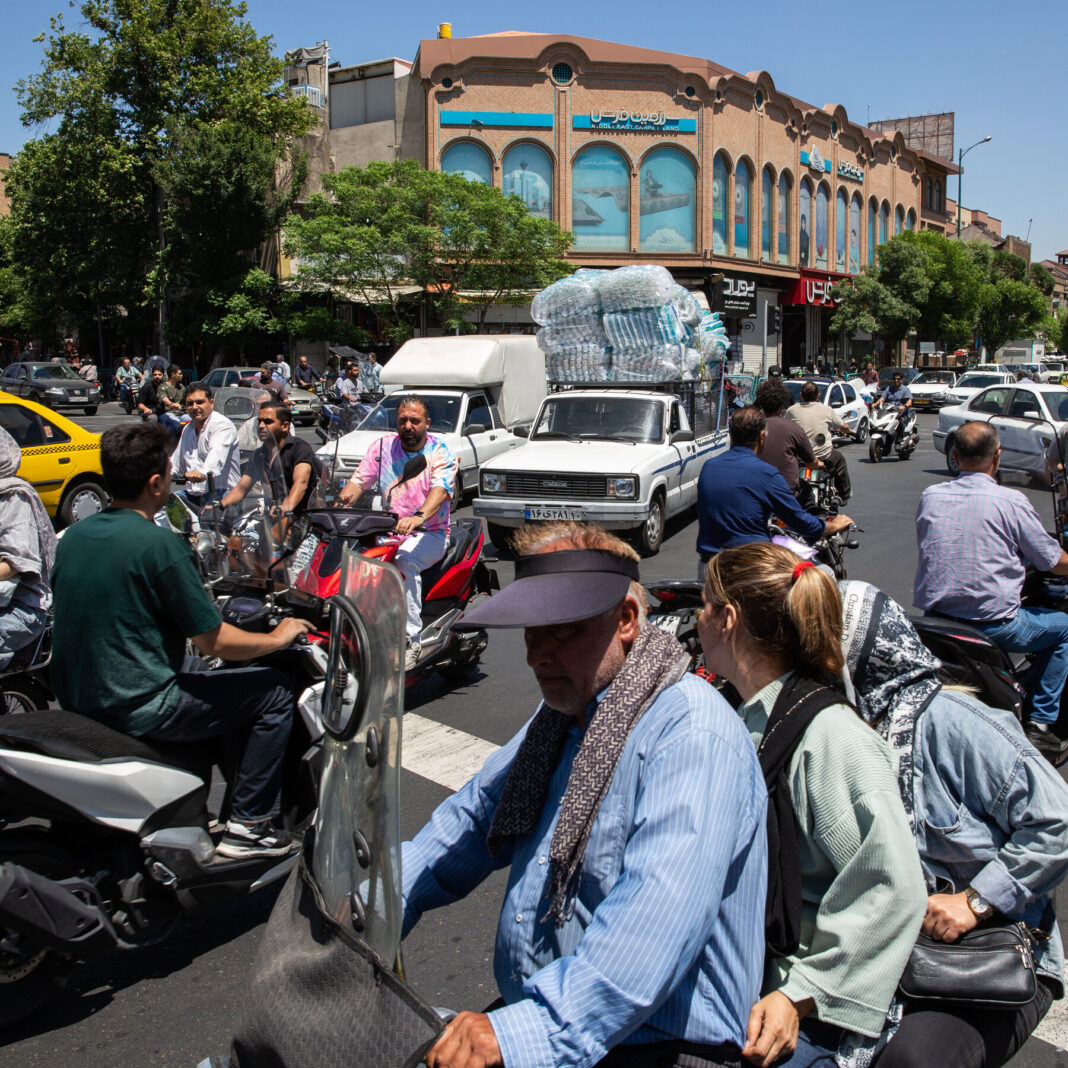
Iran has responded to the latest United States proposal aimed at ending the ongoing conflict. The response comes after weeks of indirect talks between the two nations. Diplomatic channels have remained active despite the prolonged hostilities.
The core of the U.S. plan includes a 30-day extension of the current cease-fire. Officials from both sides have been discussing the terms of this temporary halt in fighting. Another key component involves the reopening of the Strait of Hormuz.
The strait is a critical maritime passage for global oil shipments. Its closure has significantly impacted international energy markets. The U.S. proposal seeks to restore normal traffic through the waterway.
Iran’s formal reply was delivered through intermediaries. The details of the response have not been fully disclosed to the public. Analysts suggest it includes conditions for further negotiations.
Talks have been facilitated by regional mediators. These mediators have shuttled between the two capitals to bridge differences. A breakthrough remains uncertain but is not ruled out.
The conflict has caused widespread disruption across the region. Civilian casualties and infrastructure damage have been reported on both sides. A durable peace would require addressing deeper political grievances.
Observers are watching for the next steps in diplomacy. The coming days will determine if the cease-fire extension moves forward. The status of the Strait of Hormuz remains a central sticking point.