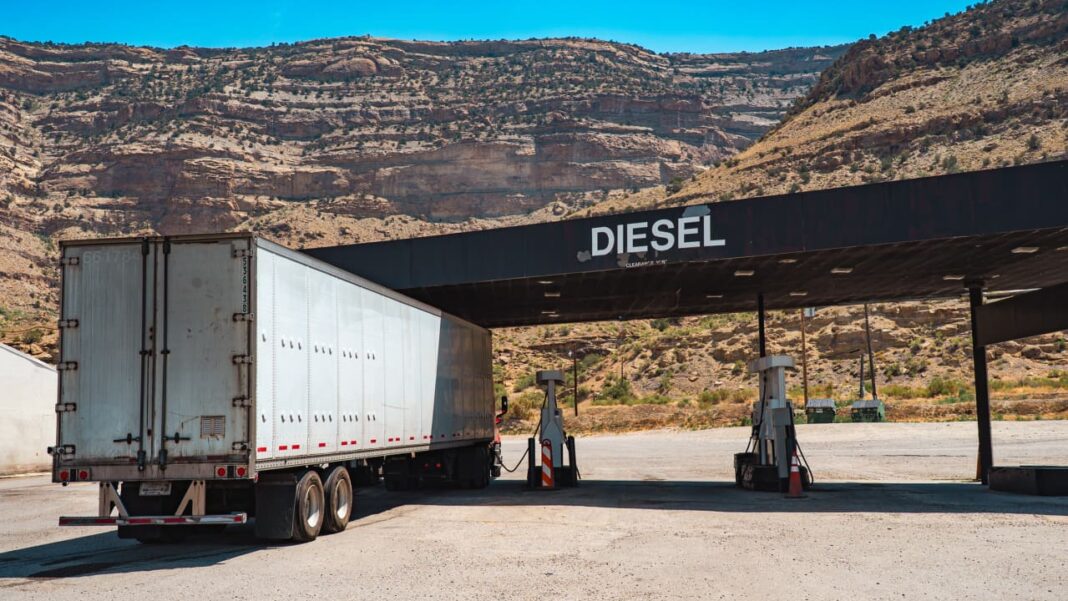
U.S. households are facing financial pressure beyond rising gas prices as diesel fuel approaches record highs. Diesel powers the trucks, trains, and tractors that move goods across the country. The fuel is essential to the U.S. economy, and its rising cost affects nearly every sector.
Higher diesel prices drive up the cost of shipping and transportation. This means the price of everyday goods, from food to clothing, is likely to increase. Consumers may see the impact at grocery stores and retail shops in the coming months.
The agricultural sector relies heavily on diesel for farming equipment and grain transport. Farmers face higher operating expenses, which could lead to increased food prices. Households already struggling with inflation may feel the pinch even more.
Diesel demand remains strong despite the price surge, as there are few immediate alternatives for heavy-duty vehicles. The fuel’s unique role in logistics makes its price increases particularly challenging. Unlike gasoline, diesel has no quick substitutes for large-scale freight movement.
Trucking companies are passing on higher fuel costs to consumers through surcharges. Smaller businesses with tight margins may struggle to absorb these added expenses. The overall economic impact extends beyond individual households to the broader supply chain.
The national average diesel price is nearing historic highs, creating a ripple effect across industries. While gasoline prices often receive more attention, diesel’s influence on commerce is more sweeping. Policymakers and businesses are watching these trends closely.
Households should prepare for continued economic strain as diesel costs remain elevated. Monitoring spending on goods and transportation may help mitigate some financial pressure. Understanding the connection between diesel prices and everyday costs can inform better budgeting decisions.