The Justice Department acknowledged in a federal court hearing on Wednesday that citizenship lists ordered by former President Donald Trump are likely unreliable for voter roll maintenance. A government lawyer conceded that no “responsible state” should depend on the lists to verify or remove voters. The admission came during arguments over Trump’s executive order seeking greater federal control over election procedures.
The hearing addressed a lawsuit challenging the presidential directive, which required states to produce and share detailed citizenship data. Justice Department attorney Sarah Maloney told the judge that the lists, compiled from federal databases, contain significant errors. She noted that relying on them could improperly disenfranchise eligible voters.
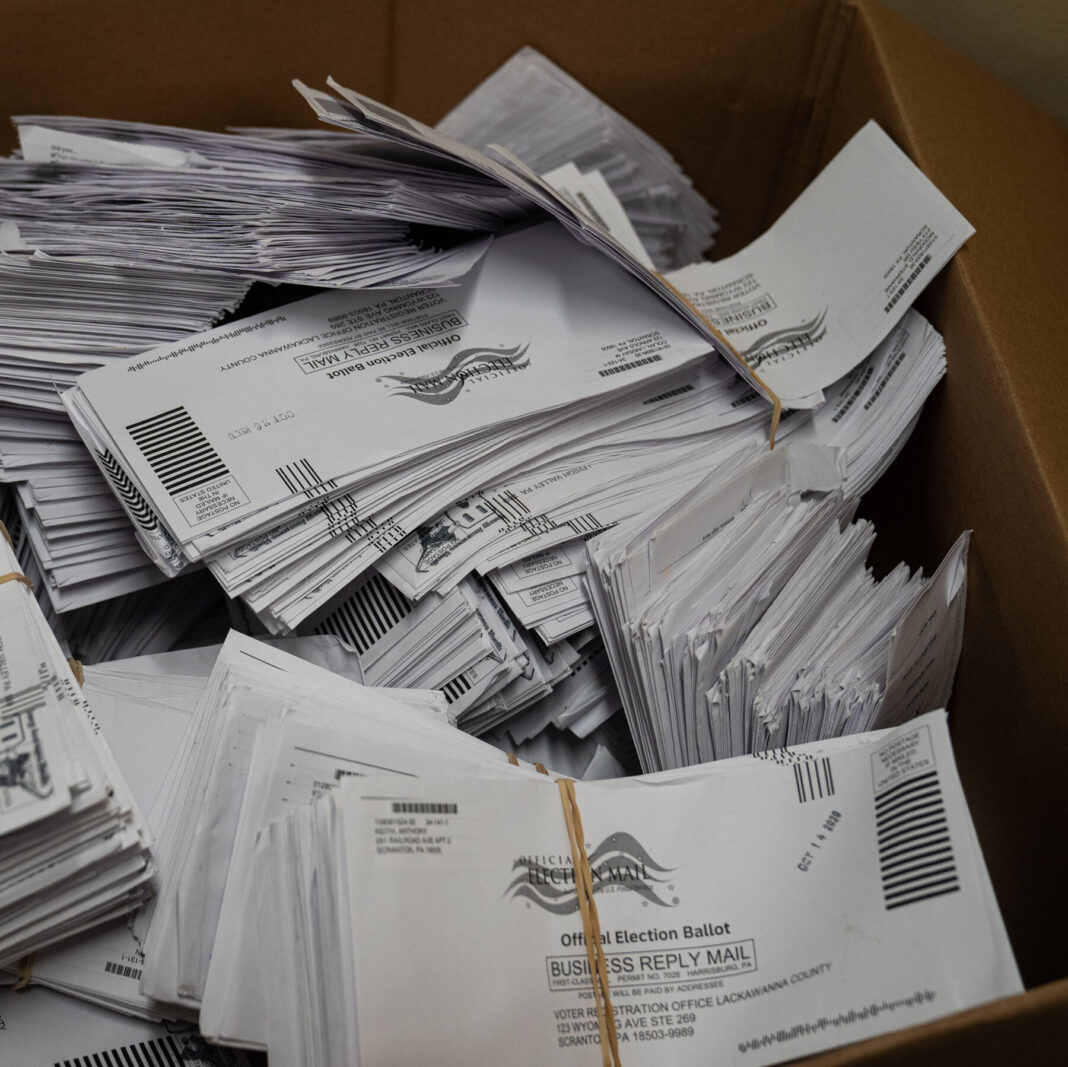
The executive order, signed in March, mandated states to cross-check voter registrations against federal citizenship records. It aimed to identify noncitizens who may have registered or voted illegally. Voting rights groups quickly sued, arguing the order would lead to mass purges of legitimate voters.
Government officials testified that databases from agencies like Homeland Security and Social Security often have outdated or incorrect citizenship statuses. The information may not reflect naturalizations, name changes, or other updates. Maloney said the data is not designed for election use and should not be treated as authoritative.
The judge pressed the Justice Department on whether states could safely apply the lists. Maloney responded that any state doing so would risk legal challenges and voter confusion. She emphasized that accurate voter roll maintenance requires more reliable methods than the current federal data.
The admission undermines a key justification for the executive order. Trump and his allies have long claimed widespread noncitizen voting, though studies show it is extremely rare. The case highlights ongoing tensions between state election officials and federal efforts to intervene in voting processes.
A ruling on the lawsuit is expected within weeks. Voting rights advocates called the hearing a significant step toward protecting eligible voters. The outcome may set limits on how far a president can go in controlling election administration.