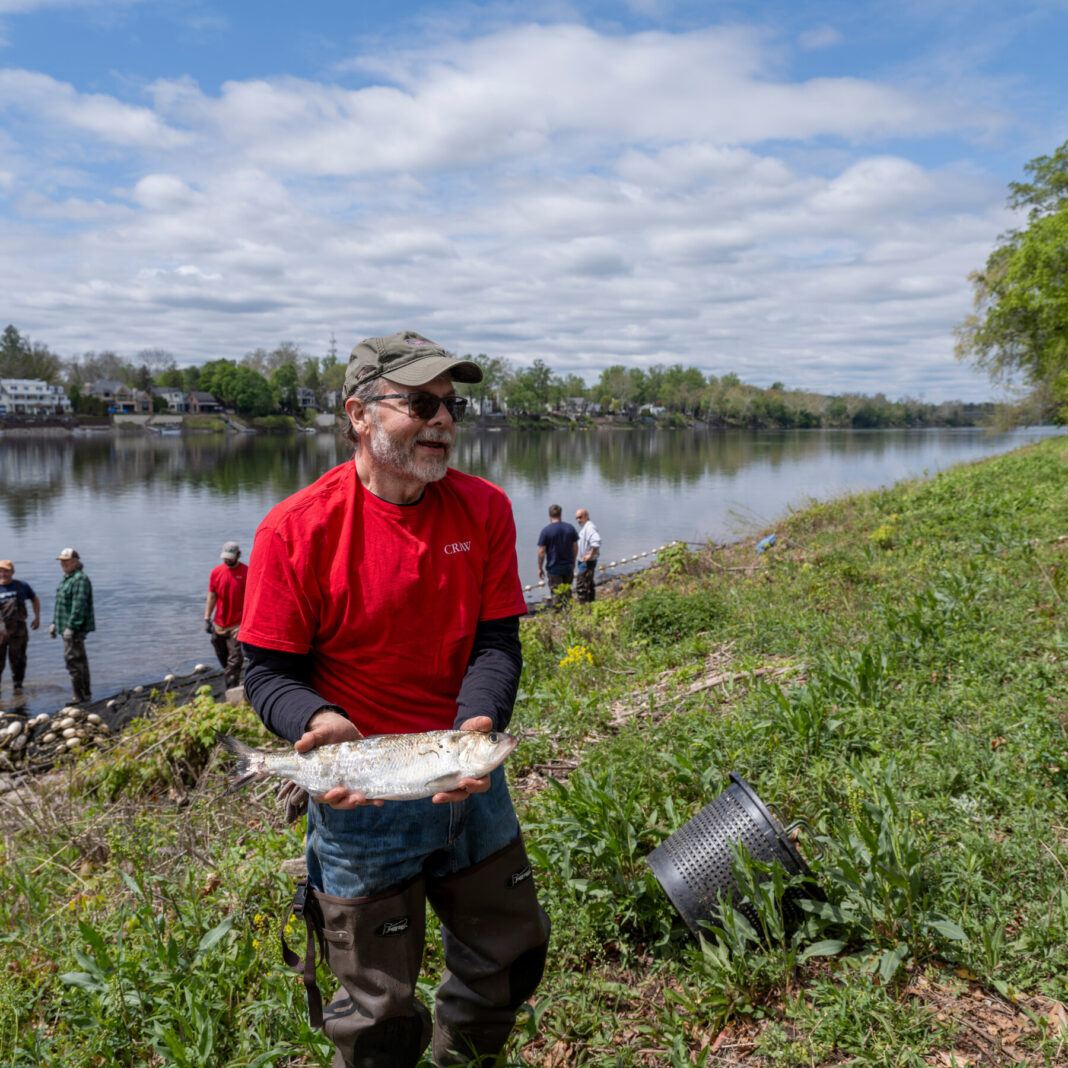
A fish once hailed as a hero of the American Revolution is now a rare find on dinner plates. The shad, along with its close relative the herring, played a pivotal role in sustaining troops and civilians during the war. Today, overfishing and habitat loss have reduced its numbers dramatically. Still, a dedicated group of enthusiasts continues to pursue this forgotten staple.
During the Revolutionary War, shad runs in Eastern rivers provided a crucial food source. General George Washington himself reportedly ordered his troops to seine for the fish to prevent starvation at Valley Forge. The fish’s abundance and nutritional value made it a lifeline for communities struggling through the conflict. Its legacy as a patriotic sustenance has largely faded from public memory.
Despite its historical importance, shad now faces significant challenges. Dams on major rivers block spawning routes, while pollution and overfishing have decimated populations. Many fisheries have closed, and the fish is rarely sold commercially. The species is now more often discussed in conservation circles than in culinary ones.
Yet, for those who remember its taste, shad remains a seasonal obsession. Small-scale fishermen and traditional cooks still seek it out each spring. They celebrate its rich, oily flesh and its roe, which is considered a delicacy. These fans argue that shad deserves a revival, both for its flavor and its history.
Efforts to restore shad populations are underway in some regions. Fish ladders and dam removals have helped reopen spawning grounds. Hatchery programs aim to boost numbers, but recovery is slow. Conservationists urge patience, noting that a full comeback could take decades.
Culturally, shad’s decline reflects broader changes in American food systems. Once a free resource for the masses, it has become a luxury item for a niche market. Some chefs have begun featuring shad on menus to educate diners about its past. This small resurgence highlights a growing interest in eating local, seasonal ingredients.
For now, shad remains a symbol of resilience and loss. It is a fish that fed a nation in its infancy, only to vanish from tables in times of plenty. Those who still pursue it do so with reverence for its role in American history. The story of shad is a reminder of how food connects people to their past.