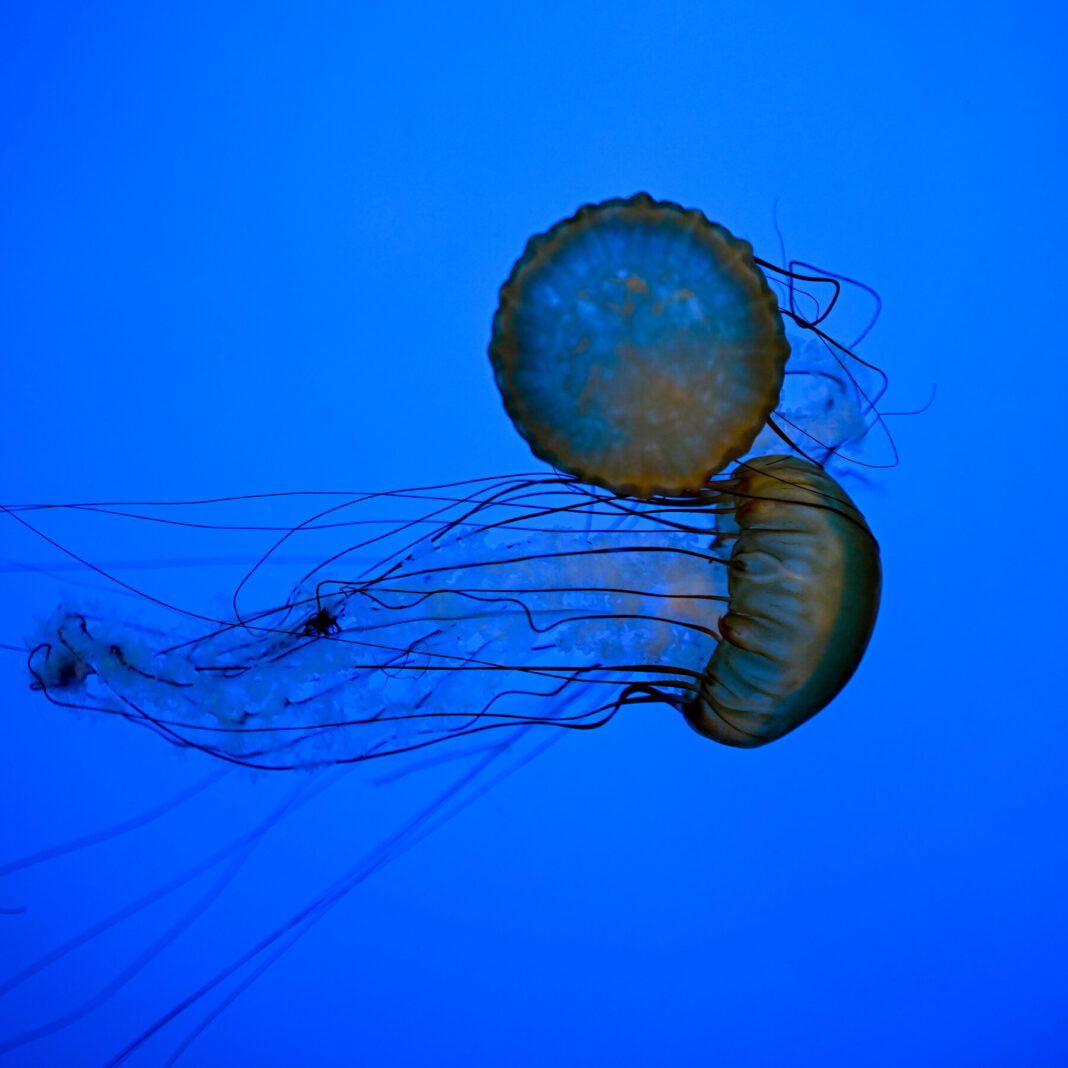
As summer crowds descend upon coastal waters, encounters with jellyfish become increasingly common. Many beachgoers hold deep-seated fears about these gelatinous creatures, often based on misinformation. Understanding the facts is the first step toward safe coexistence.
The most persistent myth involves urinating on a sting. Medical experts strongly advise against this practice, as it can actually worsen the injury. Freshwater should also be avoided, as it can trigger remaining stingers to release more venom.
Proper first aid begins with rinsing the affected area with seawater. Tweezers or the edge of a credit card can gently remove any visible tentacles. Soaking the sting in hot water—as hot as the victim can tolerate—for 20 to 45 minutes helps neutralize the venom.
Not all jellyfish pose serious threats to humans. Common species like moon jellyfish deliver only mild irritation. However, the box jellyfish and Portuguese man-of-war carry potent venom that can require immediate medical attention.
Location and timing play a significant role in risk reduction. Calm, warm waters and days following storms often see higher jellyfish concentrations. Pay attention to posted warning flags and beach signage indicating recent sightings.
Protective clothing offers reliable prevention. Rash guards, wetsuits, or specialized stinger suits create a physical barrier between the skin and tentacles. These are especially recommended in tropical waters where box jellyfish thrive.
Even dead jellyfish washed ashore remain dangerous. Their tentacles can still sting for weeks after death. Beachgoers should avoid touching any gelatinous material found in the sand, regardless of its condition.
Scientists continue to study how changing ocean temperatures influence jellyfish blooms. Warmer seas may expand the range and season for certain species. Staying informed about local marine life reports helps beach visitors make educated decisions.
When in doubt, seek advice from lifeguards stationed at the beach. These professionals receive training in local marine hazards and sting treatments. Their guidance provides the most reliable and up-to-date information for a particular shoreline.