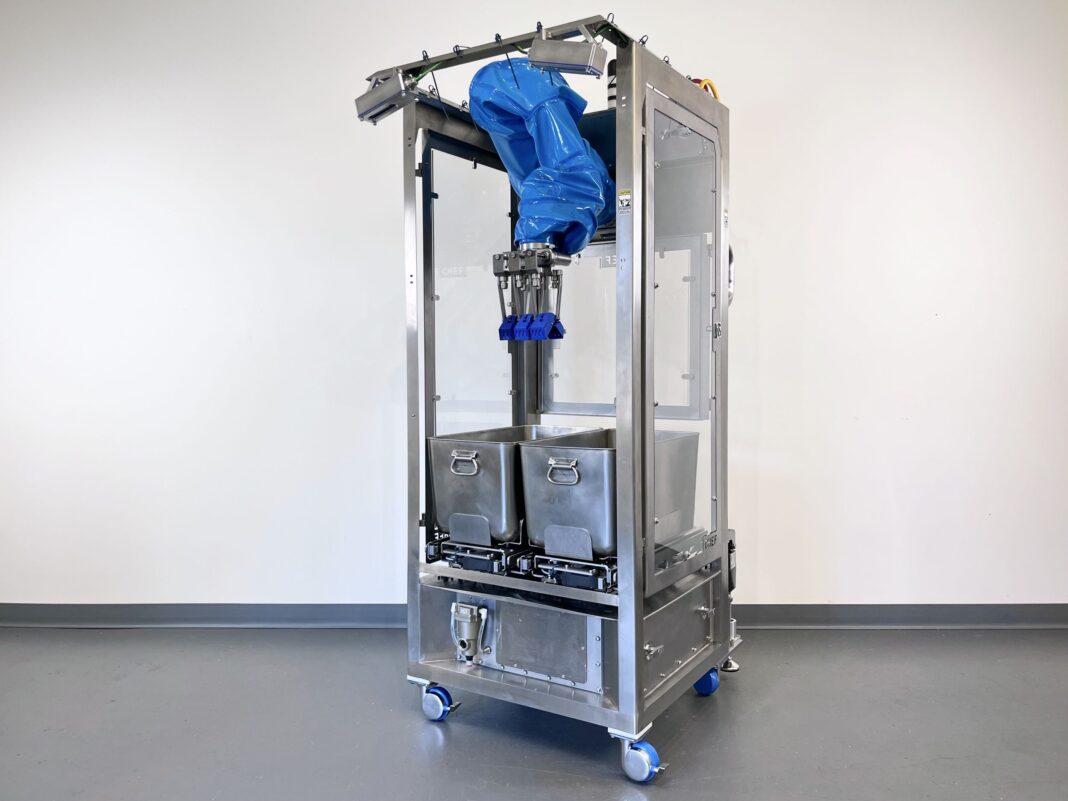
A nonprofit in San Francisco’s Tenderloin district has adopted robotic technology to prepare meals, addressing a critical shortage of human volunteers.
The organization, which serves one of the city’s most challenged neighborhoods, now relies on automated kitchen systems to produce hundreds of meals daily.
These robots handle repetitive tasks like chopping vegetables and assembling dishes, freeing up limited staff for other responsibilities.
The tech was implemented after the nonprofit struggled to maintain a consistent volunteer workforce, a common issue in food assistance programs.
Robotic meal prep ensures meals are produced faster and with fewer errors, improving efficiency in the kitchen.
The system operates alongside human cooks, who oversee quality and add final touches to each plate.
This shift allows the nonprofit to meet growing demand for food services in the Tenderloin, where poverty and homelessness are prevalent.
The robots are programmed to follow recipes precisely, reducing waste and ensuring nutritional standards are met.
Other nonprofits may adopt similar approaches as labor shortages persist across the sector.
The technology represents a practical solution to a logistical challenge, not a replacement for human connection in food service.
Meals produced by the robots are distributed to local shelters and community centers, reaching those in need.
The nonprofit reports no negative feedback from recipients, who appreciate the consistent quality and availability of hot meals.
This model could inspire broader adoption of automation in humanitarian aid.