Texas’ Redistricting Creates Intraparty Clashes Over House Seats
A new congressional map drawn by Texas Republicans to favor their party has ignited several contentious primary runoff elections. The redistricting process intensified competition among incumbent lawmakers within the same party.
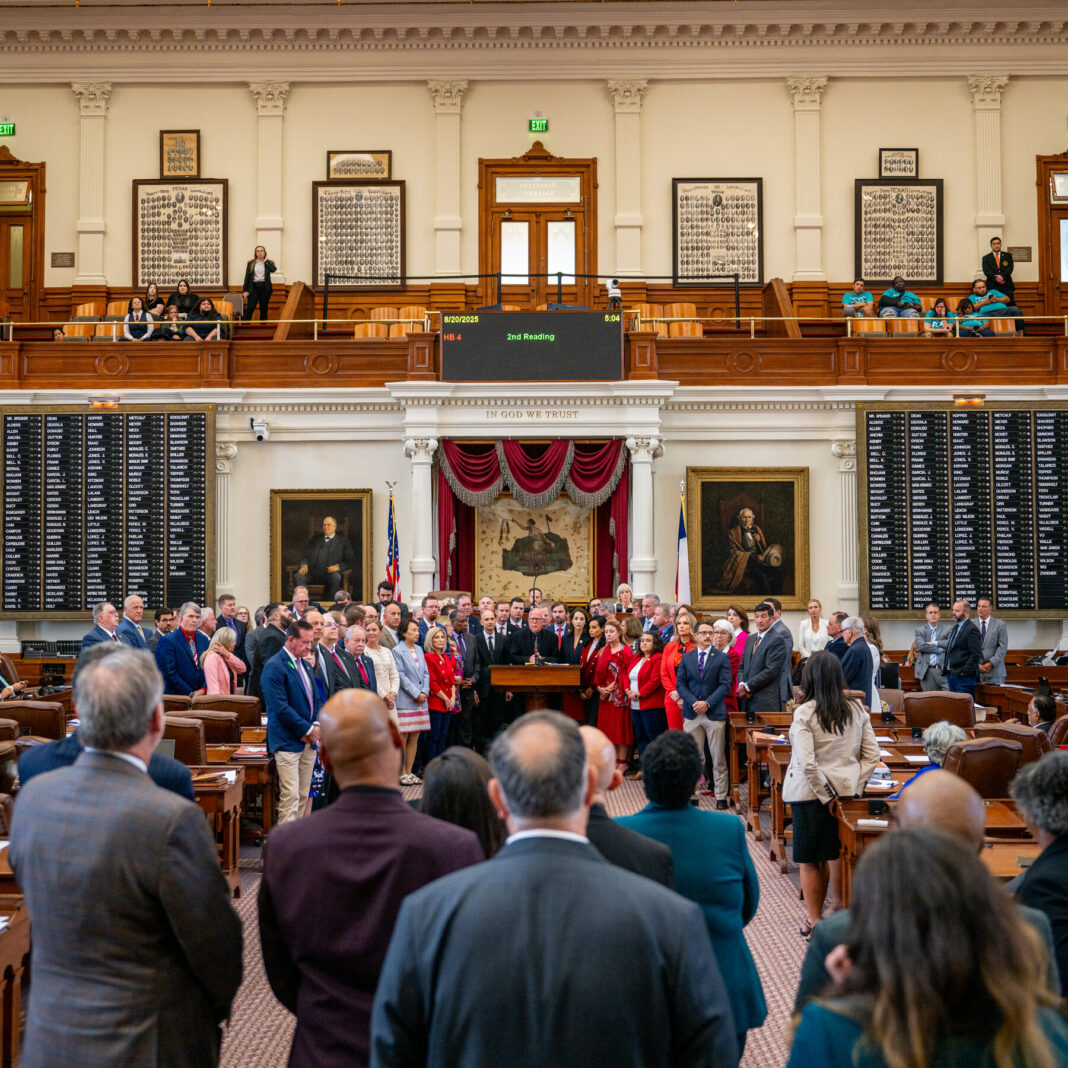
The map shifts district boundaries to give Republicans a structural advantage in upcoming elections. This realignment has forced some sitting GOP members to run against each other for a single seat.
Several districts now pit conservative incumbents in head-to-head matchups after their previous territories were merged. These runoff races are marked by sharp attacks over who is more aligned with conservative values.
The intraparty battles have diverted focus from general election opponents. Campaign spending has surged as candidates try to distinguish themselves within increasingly similar districts.
National GOP leaders have remained largely neutral to avoid alienating any faction. Local party officials are concerned that the infighting could weaken the party’s overall standing.
Voter turnout in these primaries has been unusually high, reflecting the heightened stakes. The outcomes will reshape Texas’ congressional delegation, potentially sidelining established lawmakers.
Democrats have criticized the map as a partisan gerrymander that suppresses fair competition. Legal challenges to the redistricting plan remain ongoing in state courts.
The final results from these runoffs will set the stage for November elections. Texas’ new districts will test how partisan mapmaking influences intraparty dynamics.