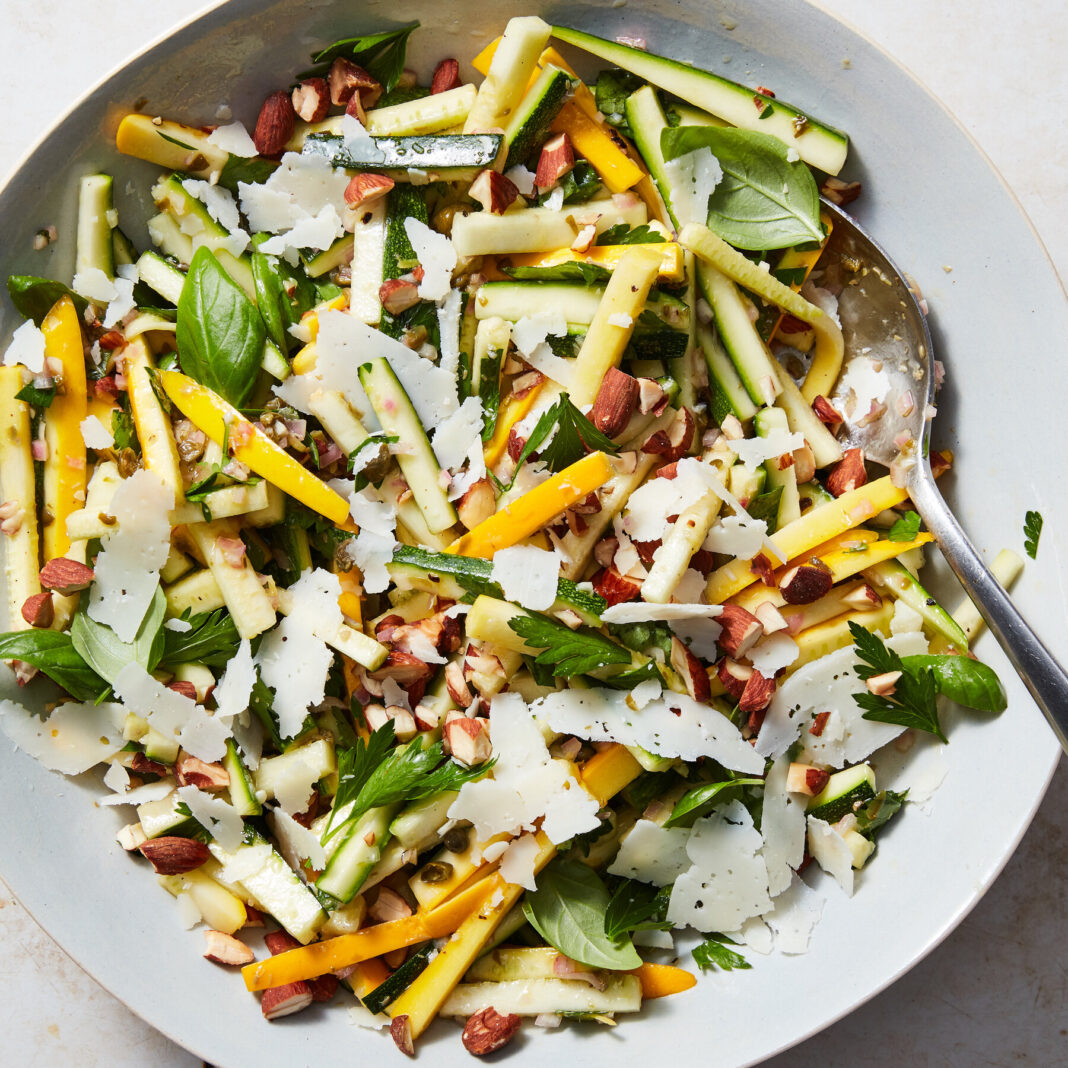
Ali Slagle’s expert guidance offers a fresh approach to preparing zucchini, transforming the often-maligned summer vegetable into a standout dish. The key lies in understanding the ingredient’s natural properties rather than fighting them. Cooking methods that draw out moisture and concentrate flavor are central to this technique.
High heat is the foundation for success. Searing or roasting zucchini at a high temperature quickly caramelizes its exterior, creating a desirable texture while preventing sogginess. The vegetable’s high water content requires this aggressive approach to achieve a satisfying result.
Salt plays a crucial role before cooking. Salting the cut zucchini and letting it rest for a few minutes draws out excess moisture. Patting the pieces dry afterward ensures they brown properly in the pan rather than steam.
Cutting the zucchini into uniform pieces matters for even cooking. Slagle recommends shapes that maximize surface area, such as half-moons or long planks, to promote browning. Thicker cuts also help maintain structure during cooking.
The choice of cooking fat influences flavor. A neutral oil with a high smoke point, like grapeseed or avocado oil, works well for high-heat methods. Adding a small amount of butter near the end of cooking can enhance richness without burning.
Seasoning should be simple but precise. Salt and pepper applied just before the zucchini hits the pan can boost flavor without overwhelming the vegetable’s mild taste. Finishing with fresh herbs or a squeeze of lemon adds brightness after cooking.
Doneness is indicated by a golden-brown color and tender texture. The zucchini should be cooked through but still offer a slight firmness. Overcooking leads to mushiness, so timing and attention during the final minutes are critical.