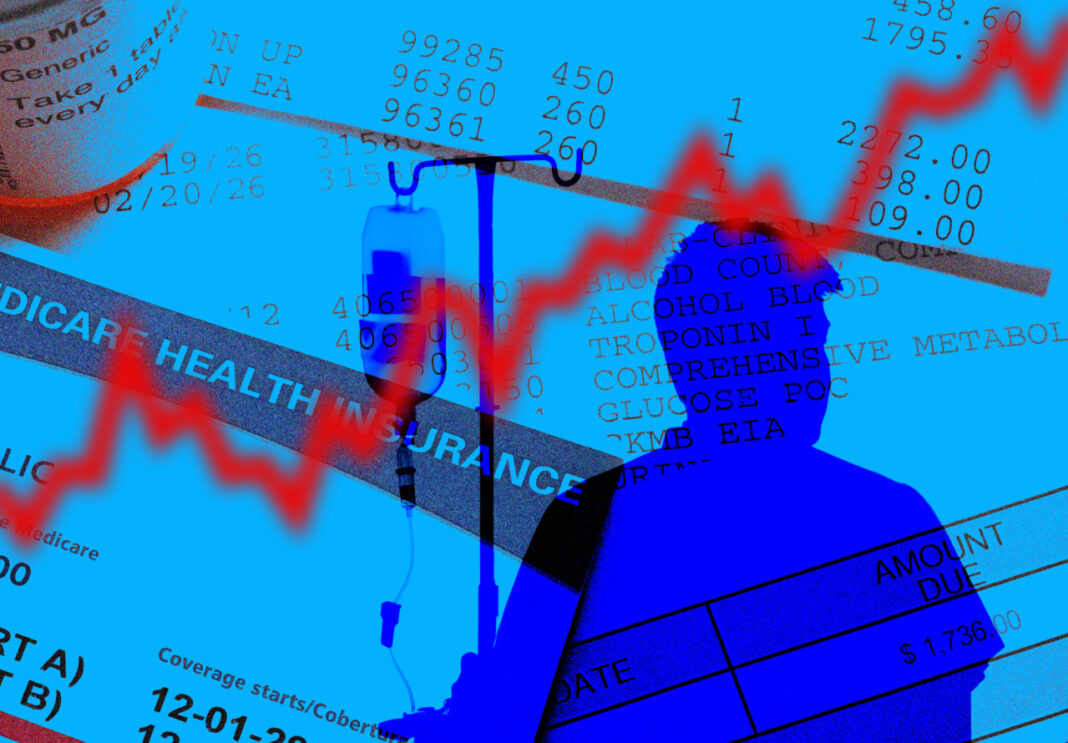
Cancer treatment costs already reach hundreds of thousands of dollars. New evidence suggests those expenses are poised to rise even further.
A brain cancer survivor from the 1990s highlights how the financial landscape for patients has shifted dramatically. That individual notes that the Affordable Care Act could have provided critical relief during their own treatment.
Medical advances have extended lives and improved outcomes. Those same innovations, however, come with higher price tags for drugs, surgeries, and hospital stays.
Insurance deductibles and out-of-pocket maximums have climbed steadily. Many patients face medical debt even after their policies contribute to coverage.
Drug manufacturers defend their pricing as necessary for research and development. Critics argue that the system lacks transparency and competition to keep costs in check.
Hospitals and clinics argue they must recoup expenses for cutting-edge equipment and specialized staff. Patients, meanwhile, report delayed treatments or skipped medications due to cost.
The rising financial burden affects access to care for many families. Even insured patients report significant strain from unexpected bills.
Policy debates continue over price controls and market reforms. The survivor from the 1990s sees these discussions as long overdue.
Without structural changes, the trend of escalating cancer treatment costs appears likely to persist. Patients and providers alike watch for solutions that balance innovation with affordability.