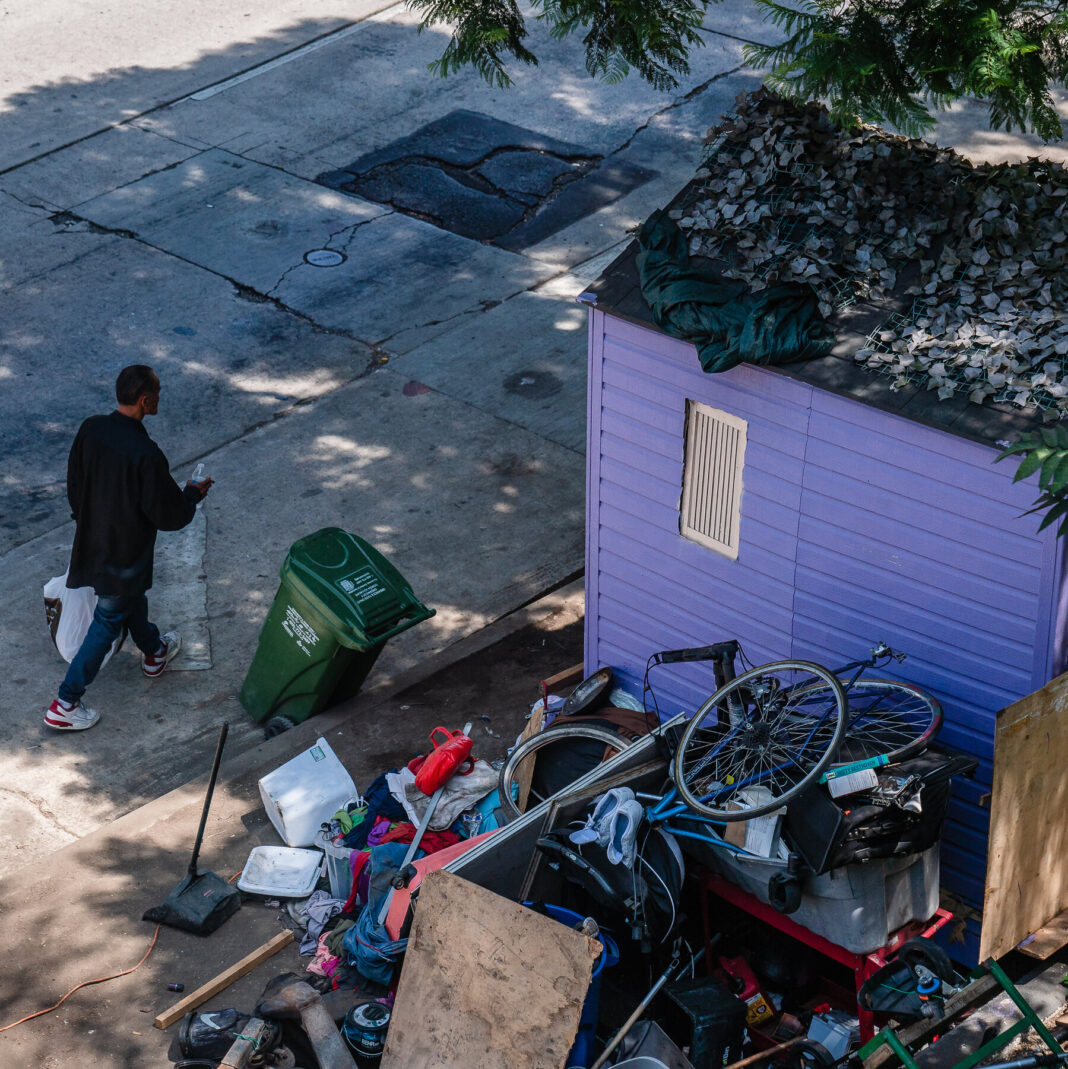
Homelessness in the United States declined in 2024, according to a long-delayed federal report from the Department of Housing and Urban Development.
The modest drop marked the first decrease in homelessness in nearly a decade. It reversed a troubling trend that had seen steady increases since 2015.
HUD published the report several months later than usual. The delay raised questions about the agency’s transparency and data collection processes.
The report showed a slight but meaningful reduction in overall homelessness numbers. The decline was driven primarily by improvements in certain regions and among specific populations.
Veterans and families with children experienced notable decreases. Those groups benefited from targeted federal programs and expanded rental assistance initiatives.
Homelessness among individuals, however, remained stubbornly high. Sheltered and unsheltered populations both saw uneven progress across different states and cities.
Experts attributed the decline to increased federal housing investments. Emergency rental aid and eviction prevention efforts also played a significant role.
The findings provide a cautious sign of progress. Still, advocates warn that sustained funding and policy action are necessary to maintain the downward trend.