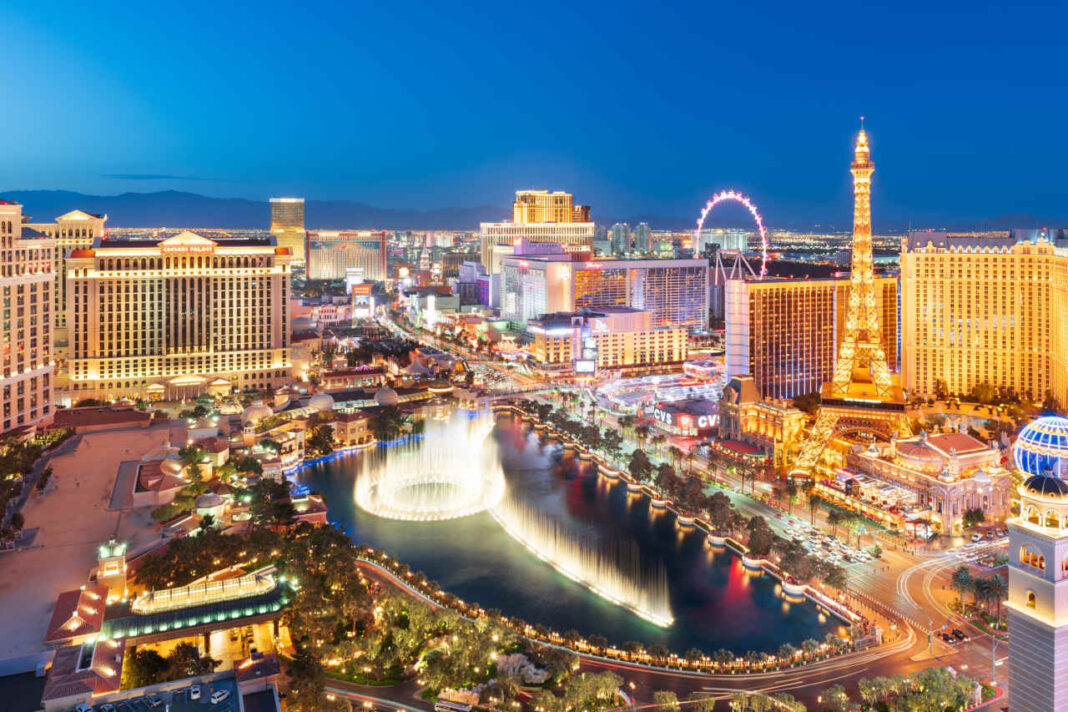
Barry Diller’s $12.4 billion offer for MGM represents a major wager on the revival of Las Vegas tourism. The bid signals confidence that the city’s post-pandemic recovery is sustainable.
Las Vegas has faced uneven tourism trends in recent years. Visitor numbers have fluctuated as economic uncertainties and shifting travel habits impact the region.
Sports-betting competition has also put pressure on Sin City’s gaming revenue. New legalized markets across the U.S. have eroded some of Vegas’s traditional monopoly on wagering.
Despite these challenges, analysts see reasons for optimism. Major events, convention bookings, and a rebound in international travel are driving renewed interest in the destination.
MGM’s portfolio of Strip properties sits at the center of this potential upturn. The offer values these assets as prime real estate for entertainment and hospitality growth.
Diller’s bid reflects a broader trend of consolidation in the leisure sector. Large investors are betting on a full return of high-spending tourists and business travelers.
The deal’s success hinges on whether Las Vegas can maintain its appeal against expanding competition. Early indicators suggest the city is adapting with new attractions and infrastructure.
If the offer closes, it could reshape the ownership landscape of the Strip. The outcome will signal how Wall Street views the long-term health of the Vegas market.