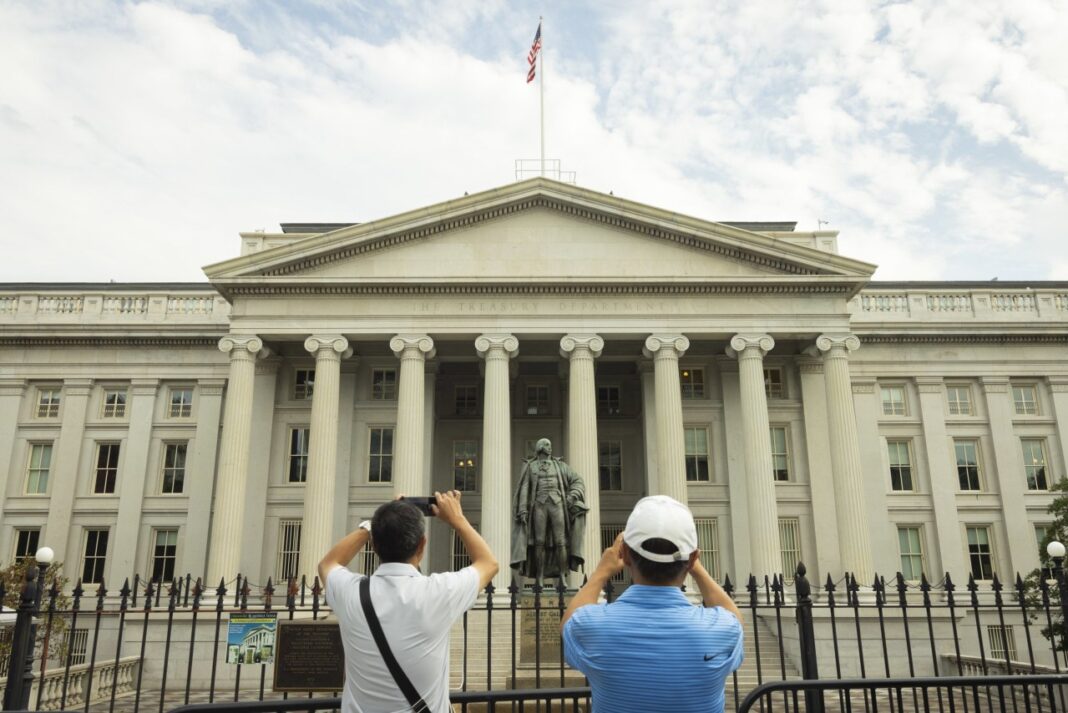
Rising bond yields have attracted fresh attention from investors seeking better returns. Higher yields mean lower prices, creating both opportunity and risk. Understanding the relationship between price and yield is essential before buying.
Bond prices and yields move in opposite directions. When yields climb, existing bond prices fall. New buyers can lock in higher interest payments than those available in recent years. This shift has made fixed income more appealing after a long period of low rates.
Not all bonds respond equally to rising yields. Short-term bonds lose less value because investors recover their principal sooner. Long-term bonds carry greater price swings when rates change. Matching bond duration to your time horizon helps control that risk.
Credit quality also matters when yields are rising. Higher yields often reflect concerns about inflation, Federal Reserve policy, or economic slowdown. Treasury bonds carry the lowest default risk but offer lower yields. Corporate bonds pay more but require closer scrutiny of the issuer’s finances.
Investors can buy individual bonds or bond funds. Individual bonds offer a set maturity date and predictable income if held to term. Bond funds trade continuously and may never return principal. Each approach suits different goals and levels of experience.
Laddering is a common strategy in a rising-rate environment. An investor divides money across bonds maturing in staggered years. As each bond matures, the proceeds go into a new bond at current yields. This method reduces the risk of committing everything at a single rate.
Inflation erodes the purchasing power of fixed interest payments. Treasury Inflation-Protected Securities adjust principal based on the consumer price index. These bonds appeal to investors who want protection against rising prices. However, their yields are typically lower than nominal Treasurys.
Timing the peak of a rate cycle is difficult even for professionals. Yields may continue rising after a purchase. Investors who buy gradually avoid the risk of putting all their money to work at the wrong moment. A phased approach keeps decisions grounded in a plan rather than a forecast.