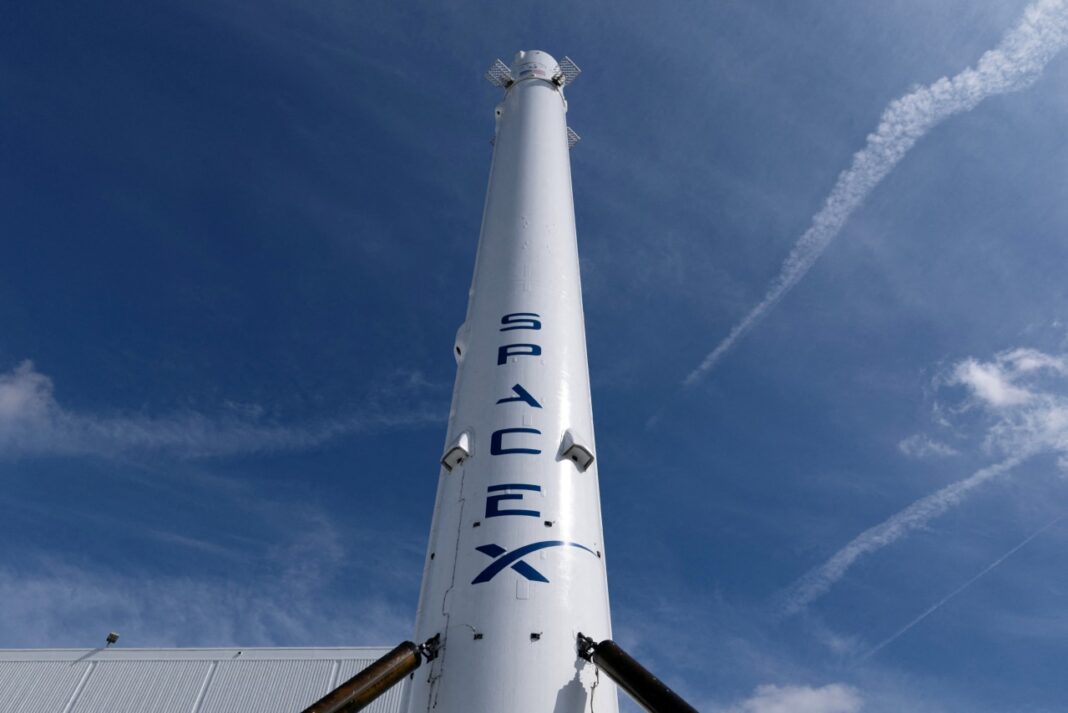
SpaceX remains one of the most anticipated companies among private market investors. However, buying shares directly through a standard brokerage account is not currently possible. The company has not conducted an initial public offering (IPO), meaning its stock is not available on public exchanges.
Investors interested in SpaceX must navigate the private secondary market. This market allows transactions of unregistered shares between accredited investors. Brokers like Forge Global and EquityZen facilitate these trades, but access is restricted by Securities and Exchange Commission regulations.
To participate, an individual must qualify as an accredited investor. This requires a net worth exceeding $1 million, excluding a primary residence, or an annual income above $200,000 for the past two years. Most retail brokerage accounts do not meet these criteria.
Some brokerage firms now offer vehicles like special purpose vehicles or funds. These structures pool capital from multiple investors to purchase private company shares. Platforms such as Public and SoFi have explored or launched such options for clients.
Valuation remains a key consideration in the secondary market. SpaceX shares trade at prices determined by supply and demand, not public market transparency. Recent transactions have valued the company at over $100 billion, reflecting its leadership in space technology and Starlink.
Volatility is a significant risk in these transactions. Private market liquidity is limited, and share prices can fluctuate sharply based on news or funding rounds. Unlike public stocks, there is no guaranteed exit strategy for sellers.
Prospective buyers should conduct thorough due diligence before committing capital. Understanding the company’s financial performance, growth projections, and regulatory risks is essential. Space exploration remains a capital-intensive industry with inherent uncertainties.
Investing in SpaceX through a brokerage account requires patience and access to specialized platforms. For most retail investors, waiting for a potential IPO remains the most straightforward path. Until then, the secondary market offers limited but high-stakes opportunities.