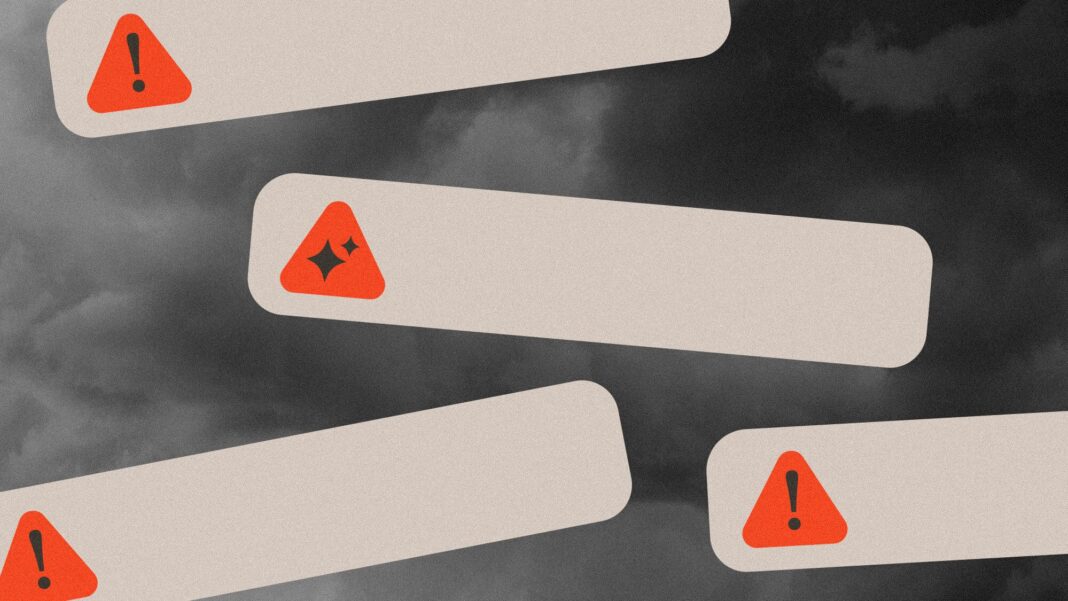
Artificial intelligence is entering the field of emergency communication. Chatbots may soon deliver alerts during disasters and public safety threats. The technology aims to address a long-standing human weakness in crisis response.
People often struggle to process emergency information under stress. Traditional alerts can be confusing or easy to ignore. AI systems could tailor messages to individual users in real time.
The approach raises questions about trust. Users may dismiss alerts that come from a chatbot rather than an official source. Public familiarity with AI tools remains uneven.
Emergency agencies see potential in faster, more targeted warnings. Automated systems can reach large audiences within seconds. They can also adapt language for different audiences and reading levels.
Skeptics warn that overreliance on AI could backfire. A poorly worded or misunderstood alert may cause panic or inaction. Clear standards for accuracy and tone will be essential.
The technology is still in early stages. Few jurisdictions have deployed AI-driven alert systems at scale. Most rely on tested channels like text messages and sirens.
Success will depend on public acceptance. People must recognize and trust AI-generated warnings as legitimate. Without that confidence, even the best-designed system will fall short.