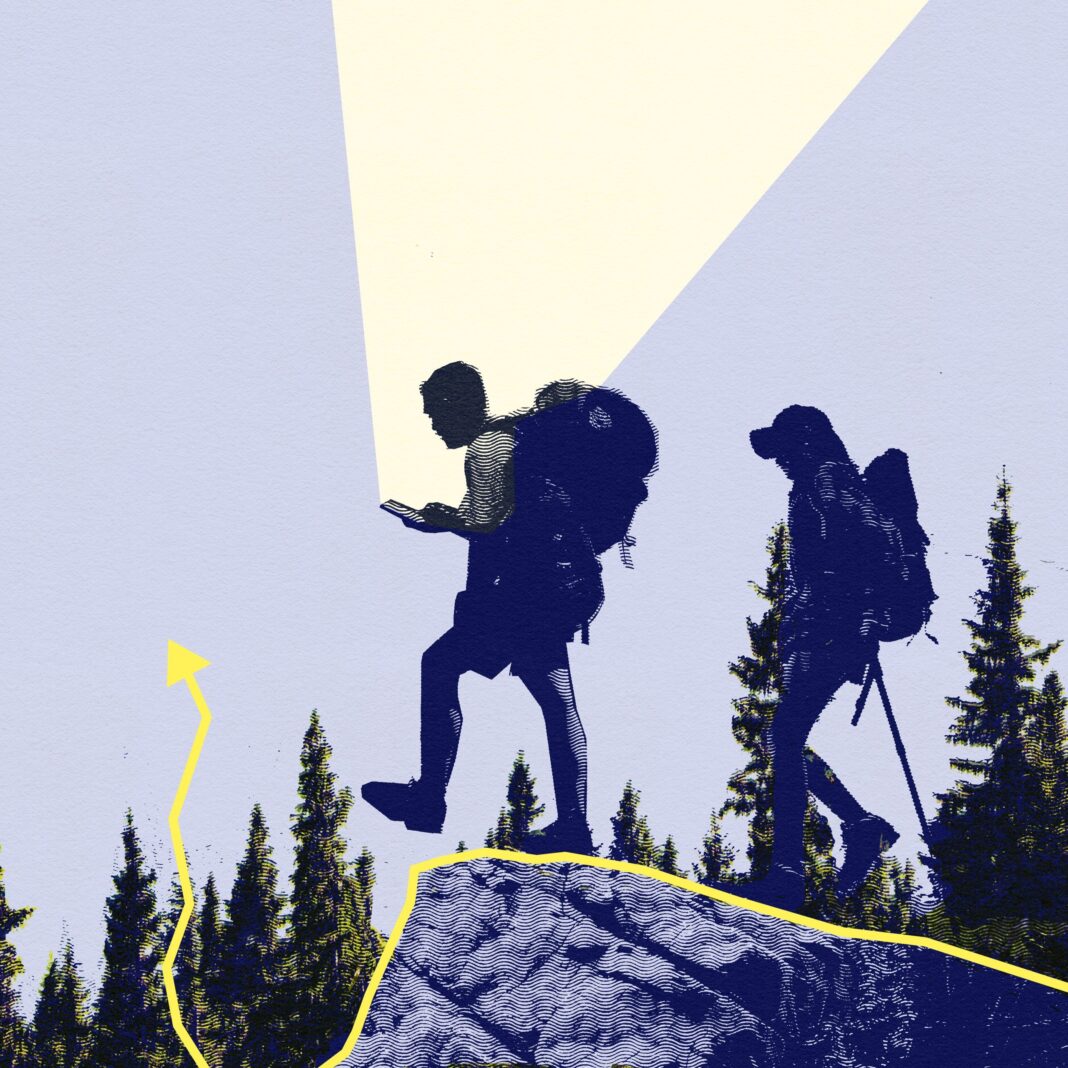
Chatbots now plan hikes, but their route advice can lead people into dangerous terrain. Several hikers have followed AI suggestions onto closed trails and cliff edges. The results have ranged from stranded groups to serious injury.
These tools generate confident answers from patterns in training data. They do not verify whether a trail exists or remains open. A plausible-sounding route can send someone toward a washed-out bridge or an unmarked drop.
Outsourcing trip planning to AI encourages people to skip their own research. Maps, local ranger stations, and official trail reports carry information chatbots often miss. Surrendering that check removes a critical layer of safety.
Backcountry mistakes carry higher stakes than errors in a city. Weather shifts fast, cell service fades, and rescue teams need hours to reach remote locations. A wrong turn near a cliff can turn a day hike into an emergency.
Rescue crews report growing numbers of calls tied to navigation failures. Some hikers arrived at trailheads with routes no human had reviewed. Others relied on chat logs instead of a compass or paper map.
The problem lies less in the technology than in how people use it. Chatbots can help draft general ideas, but they should not replace verified sources. Treating AI output as a final plan invites avoidable risk.
Hikers should cross-check every AI suggestion against official park guidance. Carrying a physical map and telling someone the itinerary remain basic precautions. Critical thinking is still the most reliable safety tool on the trail.