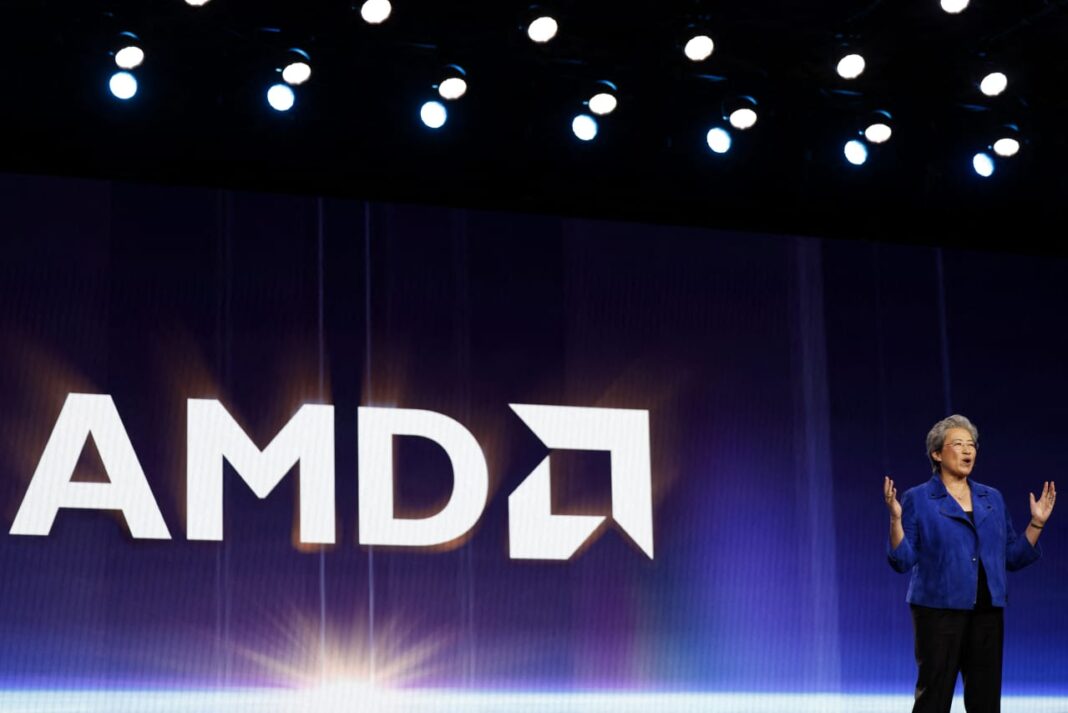
AMD and Nvidia, long locked in competition over graphics processing units, are expanding their rivalry into a new arena. The two chip makers are now intensifying their focus on server central processing units, a highly profitable market. This shift signals a strategic pivot beyond the consumer GPU space.
Nvidia has historically dominated the GPU market, particularly for gaming and artificial intelligence workloads. AMD has steadily gained ground with its Radeon line. The server CPU market, however, presents a fresh battleground where both companies see significant growth potential.
AMD has made inroads with its EPYC line of server processors. These chips have gained traction among cloud providers and enterprise data centers. The company’s recent architectural improvements have boosted performance and efficiency, challenging Intel’s long-standing dominance in this segment.
Nvidia is not standing still. With its acquisition of ARM, the company has signaled ambitions to design custom server CPUs. Nvidia’s Grace CPU, announced earlier this year, is specifically built for AI and high-performance computing tasks. This move directly targets the data center market.
The server CPU market is attractive due to its high margins and recurring revenue streams. Both companies are investing heavily in research and development to capture market share. This competition could lead to faster innovation and lower costs for data center operators.
AMD’s strategy focuses on compatibility and open standards. The EPYC platform supports PCIe 5.0 and DDR5 memory, ensuring integration with existing infrastructure. Nvidia, in contrast, emphasizes proprietary technology and tight integration with its GPU ecosystem.
Market analysts predict that this rivalry will intensify over the next few years. Both companies have strong financial positions to sustain long-term investments. The outcome could reshape the server processor landscape, benefiting customers with more choices.
For now, AMD and Nvidia remain primarily known for their GPU products. But their escalating competition in server CPUs marks a clear evolution of their business strategies. The new battlefield is set, and the stakes are high.