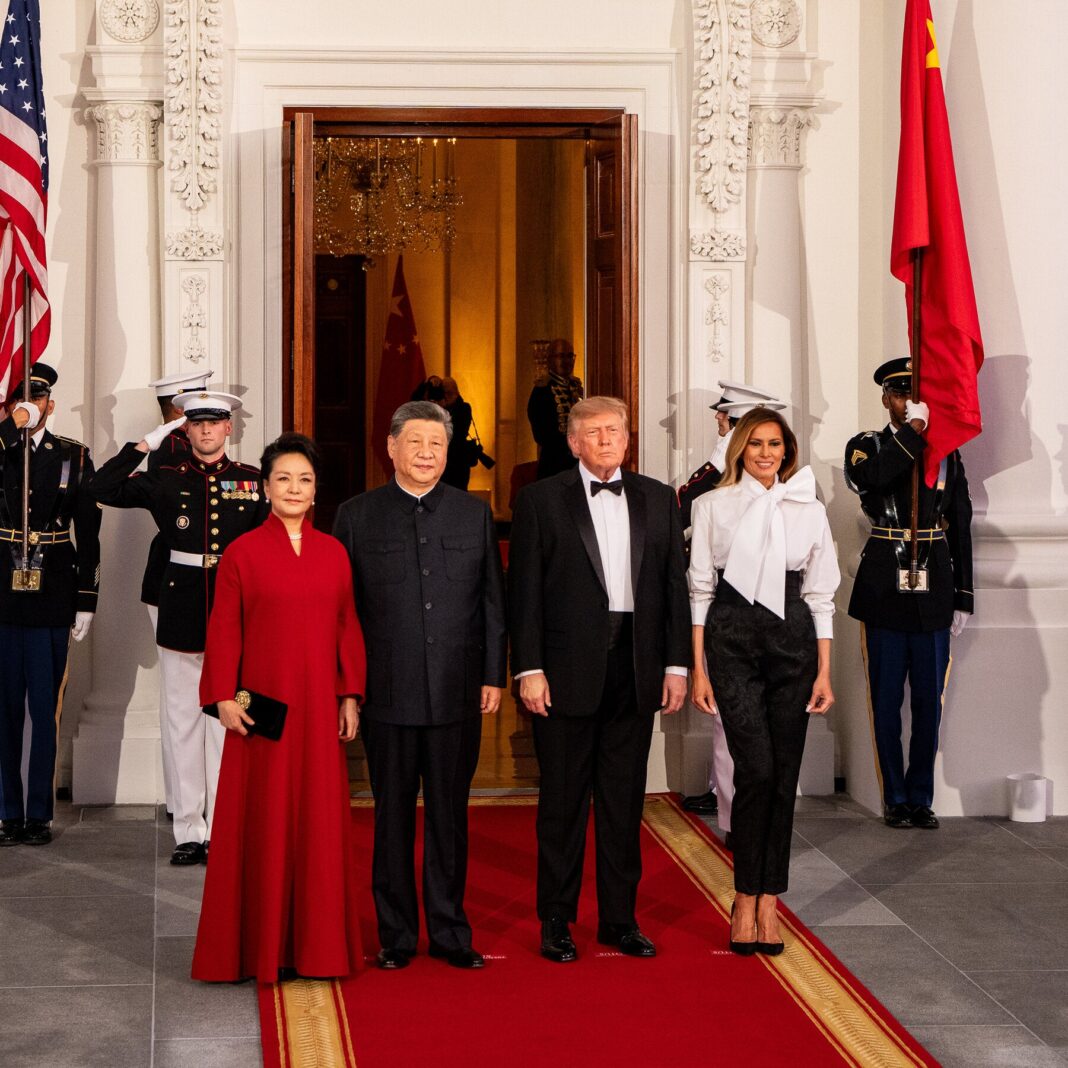
American corporate leaders gathered in large numbers to meet Xi Jinping during his recent visit. Their Chinese counterparts were notably absent from the same event. The contrast highlights a sharp shift in business ties between the two countries.
In past decades, Chinese executives often traveled alongside senior officials to the United States. Those trips signaled openness and a shared interest in commercial engagement. This time, no such delegation appeared.
The American presence shows that U.S. companies still seek access to Chinese markets and leadership. Their willingness to attend reflects persistent commercial ambitions. Yet the empty seats on the Chinese side tell a different story.
Beijing has grown more cautious about exposing its business elite to Western settings. Regulatory pressures at home have made executives more hesitant to travel. Political risk now outweighs the potential benefits of high-profile appearances.
Trade tensions and technology restrictions have also reshaped the relationship. Chinese firms face growing barriers in the U.S. market. Many see little advantage in public engagements that could invite scrutiny.
For American CEOs, the meeting offered a rare chance to press concerns directly. Issues like market access and tariffs remain unresolved. Their turnout suggests they still view China as too important to ignore.
The asymmetry sends a clear signal about the current state of relations. Business ties no longer serve as a stabilizing bridge between the two powers. Economic interests are now filtered through strategic suspicion.
A decade ago, commercial diplomacy helped smooth political friction. Today, that channel has narrowed considerably. Both sides appear to accept a more guarded and transactional approach.
The absence of Chinese executives may reflect internal discipline rather than disinterest. Firms could be waiting for clearer guidance from Beijing. Until then, they are likely to stay on the sidelines.
What was once a routine display of mutual economic stakes has become a study in divergence. The meeting showed that American business still wants engagement. China’s corporate silence suggests the feeling is no longer mutual.