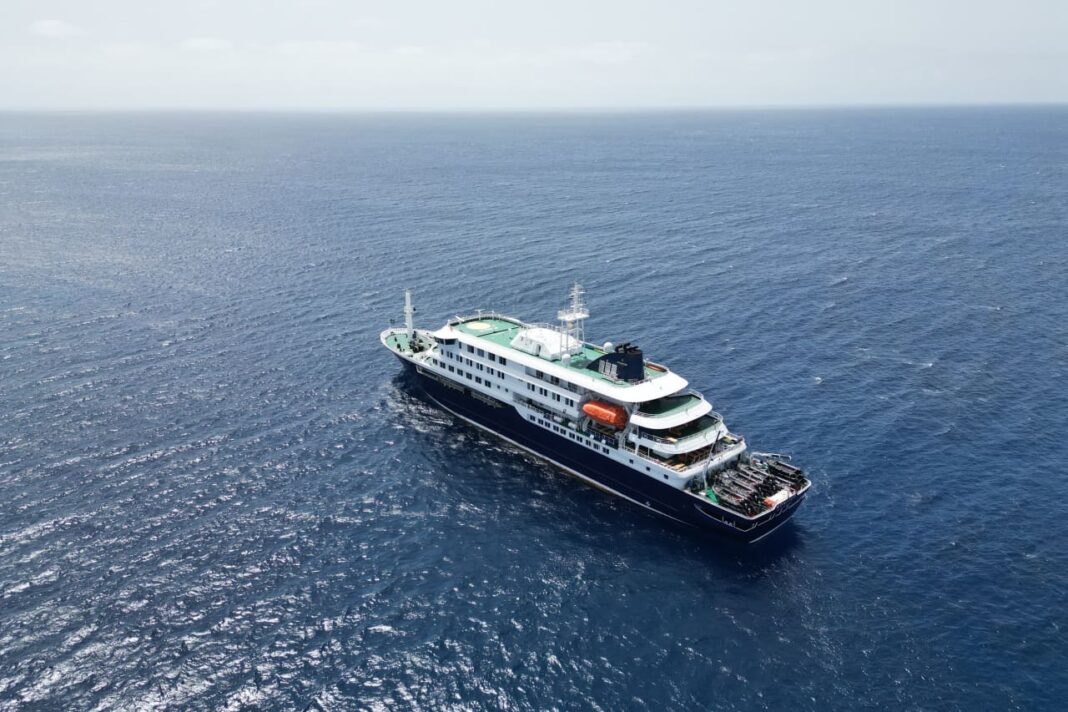
Six passengers aboard a cruise ship are suspected of carrying a rare hantavirus. Health officials are now working to confirm the specific strain involved.
If all six cases are confirmed as hantavirus, the situation would be highly unusual. The virus typically spreads through rodent droppings, not human contact.
The Andes virus is the primary concern for investigators. It is one of the few hantavirus strains capable of spreading directly from person to person.
Previous outbreaks of the Andes virus have occurred in South America. The current cluster on a cruise ship raises new questions about transmission in confined environments.
Authorities are tracing the passengers’ movements and contacts. Early detection is critical to preventing wider spread among crew and fellow travelers.
Symptoms of hantavirus include fever, muscle aches, and fatigue. In severe cases, it can lead to respiratory failure.
The cruise line has not yet released a full statement on the outbreak. Passengers are being monitored for any signs of illness.
Health experts emphasize the difference between rodent-borne transmission and human-to-human spread. The latter significantly changes public health response protocols.
Testing is underway to determine the exact virus type. Results will guide containment measures for the affected individuals.