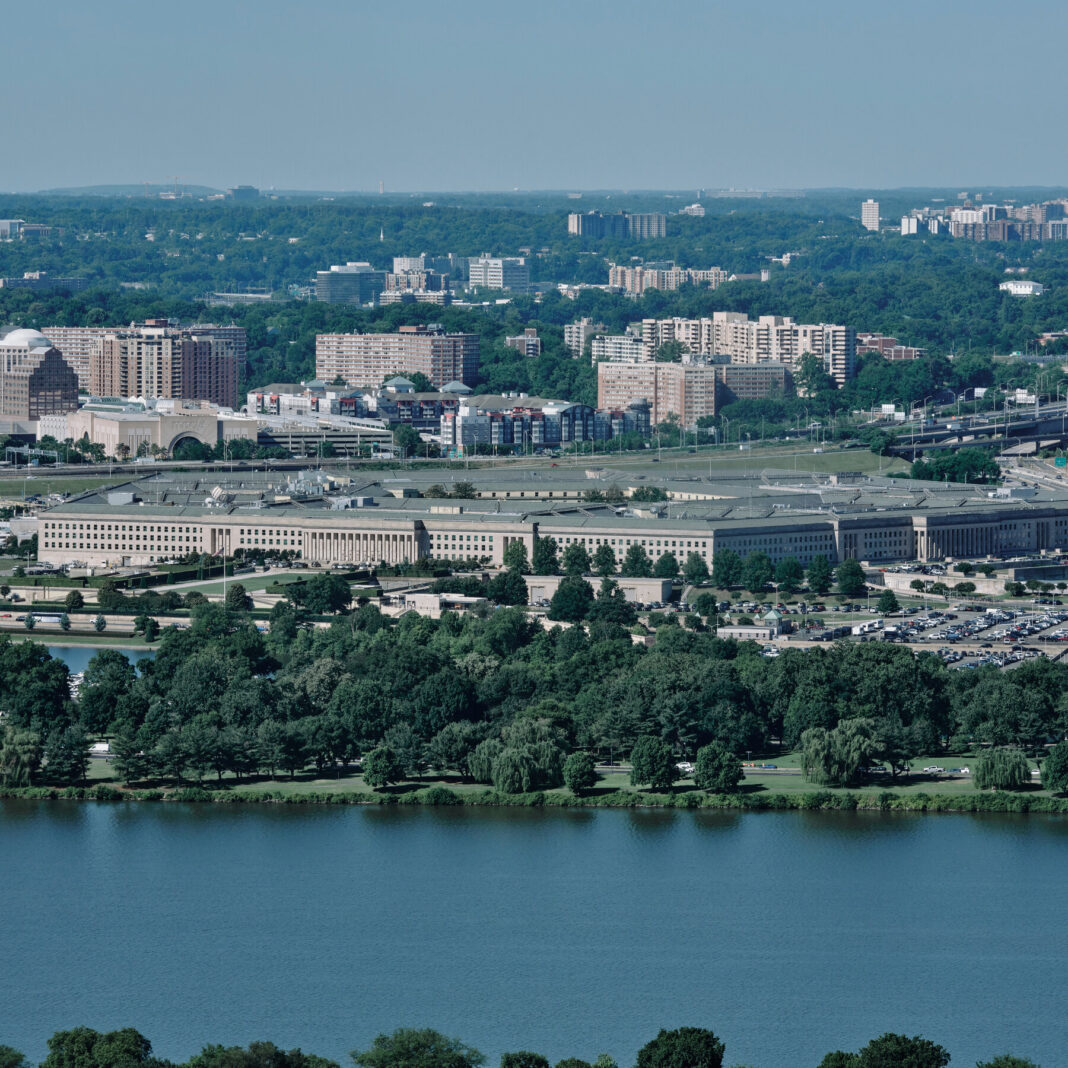
An appeals court has temporarily reinstated the Pentagon’s policy requiring journalists to be escorted while visiting the building. The decision allows the Defense Department to enforce the escort rule while The New York Times pursues a lawsuit to overturn it.
The case centers on a policy change implemented earlier this year. It mandates that reporters from certain news organizations must be accompanied by a public affairs escort during visits to the Pentagon. The New York Times challenged the rule, arguing it restricts press access and violates First Amendment protections.
A lower court had initially blocked the policy, siding with the newspaper. The Defense Department quickly appealed, seeking to restore the requirement. The recent ruling from the appeals court grants a temporary stay, keeping the escort policy in effect pending further legal proceedings.
The Pentagon has defended the policy as a security measure. Officials argue it helps manage access to sensitive areas and ensures orderly news coverage. Critics, however, view it as an unnecessary burden that undermines journalistic independence.
The New York Times continues to argue the rule is overly broad and discriminatory. The lawsuit contends that requiring escorts for specific outlets creates an unfair barrier to covering the Defense Department. A final resolution on the policy’s legality remains pending.
This legal battle highlights ongoing tensions between the media and government agencies. It reflects broader debates about press freedom and national security protocols. The outcome could set a precedent for how journalists interact with military institutions.
The appeals court has not yet set a date for a full hearing on the matter. Until then, the escort policy will remain in effect for affected news organizations. The case is expected to draw continued attention from media advocacy groups.