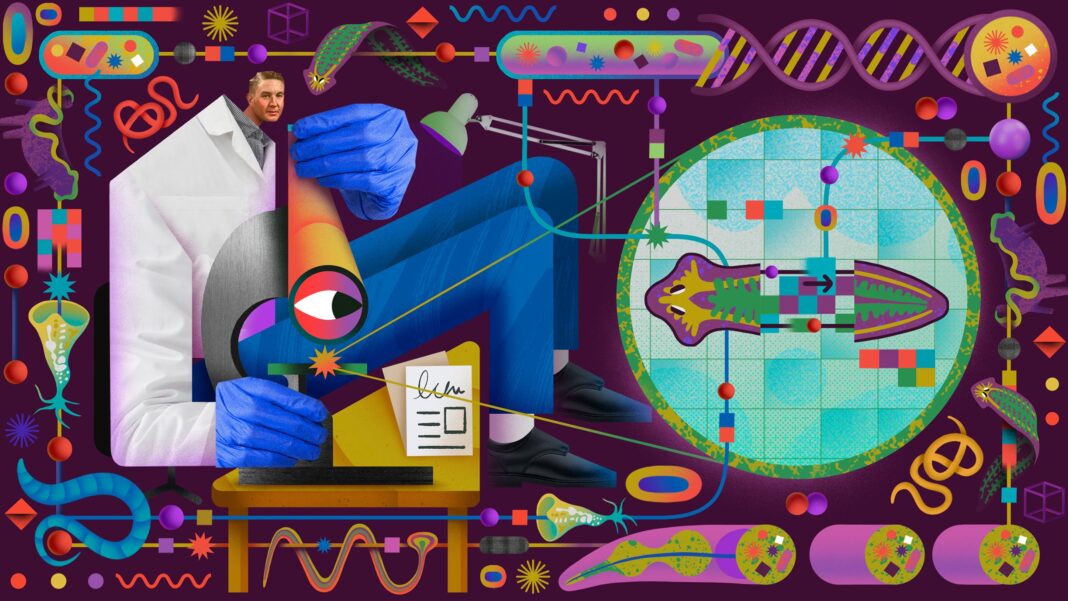
A strange experiment in the 1960s suggested that planarian worms could pass memories to one another through cannibalism. The finding drew widespread attention and sparked debate about the nature of memory. Later attempts to repeat the results failed when the worms stopped learning.
Researchers at institutions in the United States have launched a new effort to replicate the infamous study. The team aims to settle long-standing questions about whether memory can move between organisms. Their work uses modern methods that were unavailable to the original experimenters.
The original research trained worms to respond to light paired with electric shocks. Untrained worms that ate trained worms appeared to learn the same response faster. Critics argued the results reflected basic chemical cues rather than true memory transfer.
Planarian worms are flatworms known for their regenerative abilities and simple nervous systems. Their biology makes them a practical subject for studying learning at the cellular level. Scientists can observe changes in their behavior within days of training.
The replication team has published detailed protocols to improve transparency and reproducibility. They are tracking RNA molecules that may carry information between organisms. Early results remain preliminary and have not yet been peer reviewed.
Modern neuroscience holds that memory involves physical changes in the brain, not a transferable substance. Most researchers doubt that memories can survive digestion intact. The new study tests whether earlier findings were real or a product of flawed methods.
The project has drawn interest from scientists studying learning and memory across species. Even a negative result would clarify how memory works and how it does not. The team plans to release its findings once the experiments are complete.