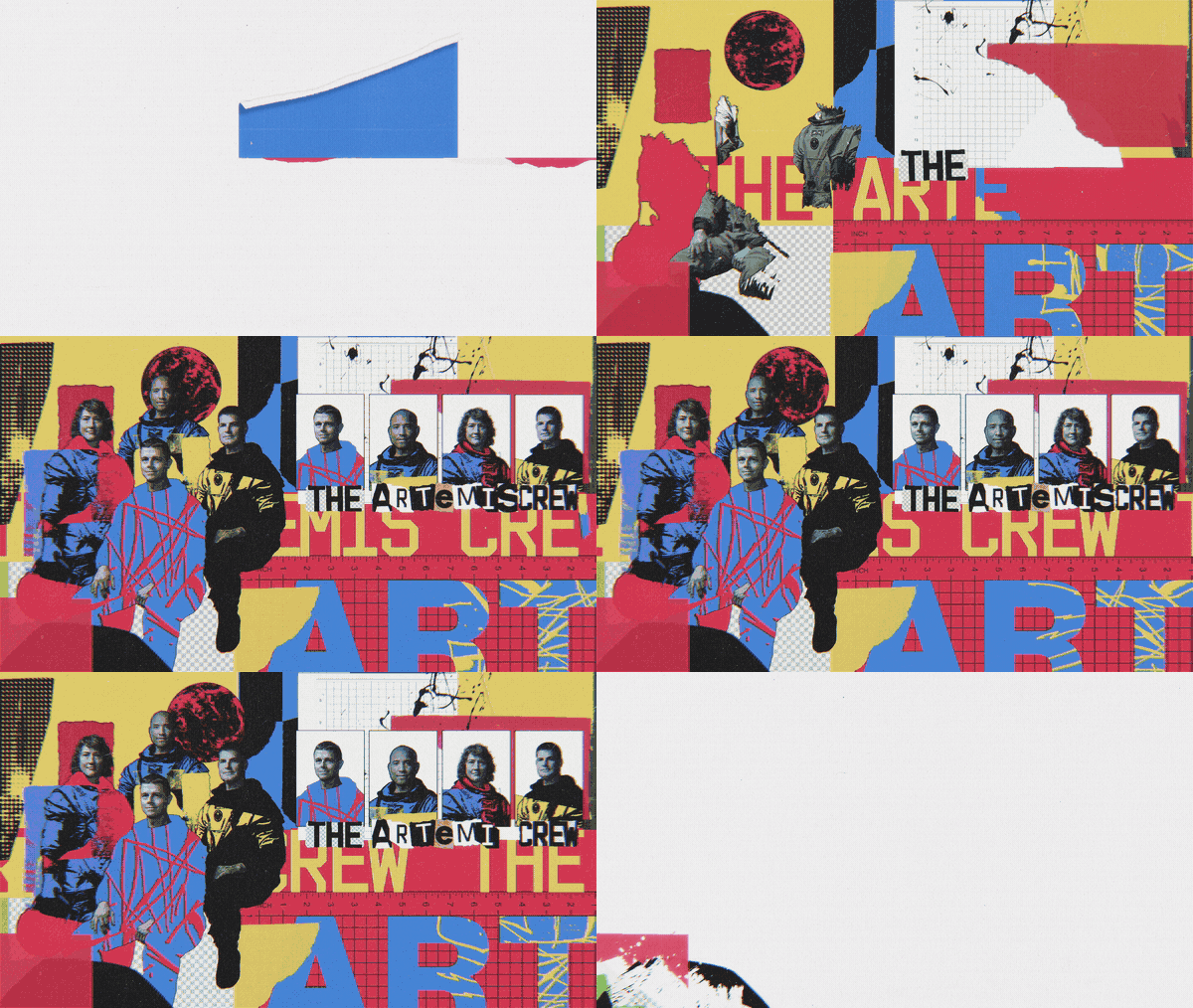
NASA’s Artemis II mission turned out to be the most demanding test of human spaceflight in years. The crew faced a series of unexpected failures that pushed both the spacecraft and their training to the limit. Yet the mission still made history.
Personality clashes among the four astronauts added strain before launch. Small disagreements grew into serious friction during close-quarters training. The crew had to resolve these tensions long before reaching orbit.
Blaring smoke detectors disrupted sleep and focus during simulations. False alarms forced the crew to respond repeatedly to non-emergencies. The constant noise tested patience and decision-making under pressure.
A broken pee vent created one of the mission’s most awkward technical challenges. The failure affected basic hygiene systems inside the capsule. Engineers had to improvise fixes while keeping the crew safe.
Each problem forced the astronauts to rely on each other in new ways. Shared frustration gradually turned into trust and cooperation. The crew learned to communicate bluntly and solve problems as a team.
Artemis II also validated critical hardware and procedures for future lunar missions. Real failures in training revealed weaknesses that simulations alone could not expose. Those lessons now inform planning for later Artemis flights.
The mission demonstrated that technical skill matters, but crew chemistry matters just as much. Bonds formed under stress proved as valuable as any system on board. Artemis II succeeded because the astronauts learned to work as one unit.