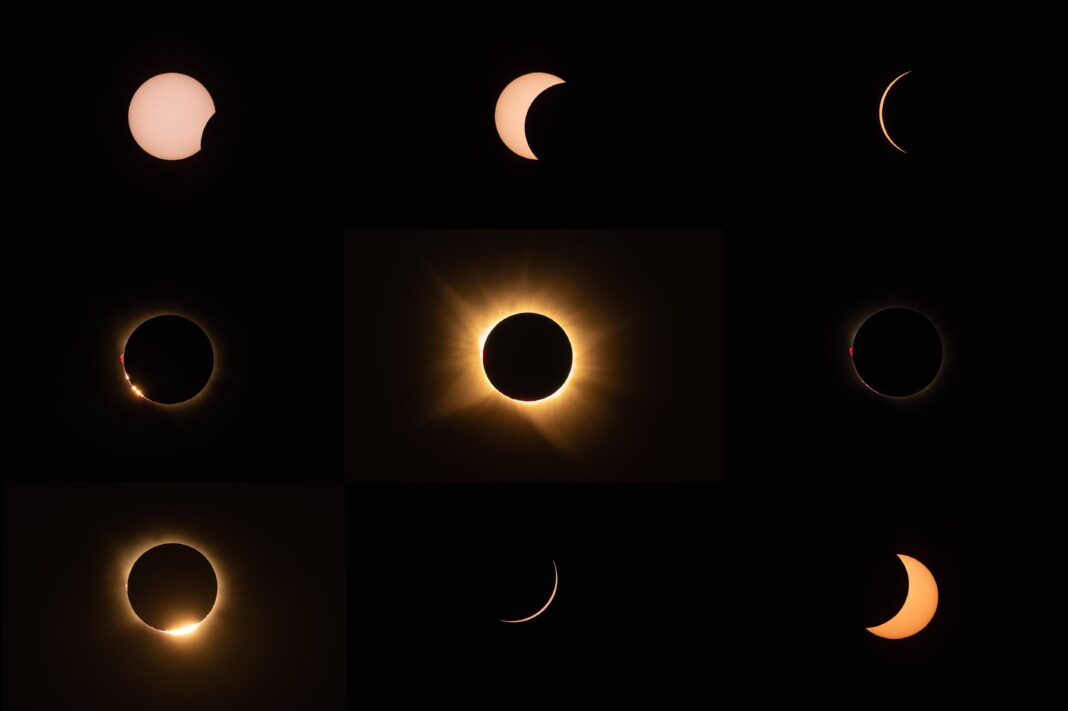
Skywatchers have two major solar eclipses to anticipate in 2027 and 2028. Both events promise extended durations of totality, offering rare viewing opportunities for astronomy enthusiasts. Planning ahead is critical, as these celestial events will draw large crowds to prime viewing locations.
The first of the two eclipses occurs on August 2, 2027. Its path of totality will cross parts of southern Europe, North Africa, and the Middle East. Egypt and Spain are expected to be popular destinations, with some locations experiencing over six minutes of totality. This will be one of the longest total solar eclipses of the century.
The second event takes place on July 22, 2028, with a path crossing Australia and New Zealand. Totality will last up to five minutes in some regions, offering another extensive window for observation. Major cities like Sydney may fall within or near the path, making it more accessible for travelers.
Weather conditions will play a significant role in viewing success. The 2027 eclipse favors dry climates in North Africa, where clear skies are more likely. The 2028 eclipse, however, depends on winter weather patterns in the Southern Hemisphere, which can bring cloud cover.
Accommodation and travel bookings are already expected to surge for both events. Prime viewing spots near the centerline will sell out quickly, especially for the 2027 eclipse. Early reservations are strongly advised for anyone planning to witness either spectacle.
Equipment needs differ for total and partial phases. During totality, viewers can safely observe without filters, but solar glasses are essential for partial phases. Photographers should practice with their gear beforehand to capture the corona and surrounding darkness effectively.
Experts recommend scouting locations well in advance. Elevation and unobstructed horizons can enhance the experience, particularly for the 2028 eclipse in New Zealand’s mountainous terrain. Mobile apps and interactive maps can help pinpoint the best vantage points.
Both eclipses offer unique scientific and visual appeal. The 2027 event’s extreme duration will allow for detailed observations, while the 2028 eclipse provides a chance to see the phenomenon over ocean and land. Regardless of choice, preparation remains the key to a successful viewing.
These eclipses will not be repeated in the same regions for decades. Missing them means waiting until 2050 for comparable totality in Europe and Africa. For those committed to seeing nature’s grandest display, the next two years offer no better time to start planning.