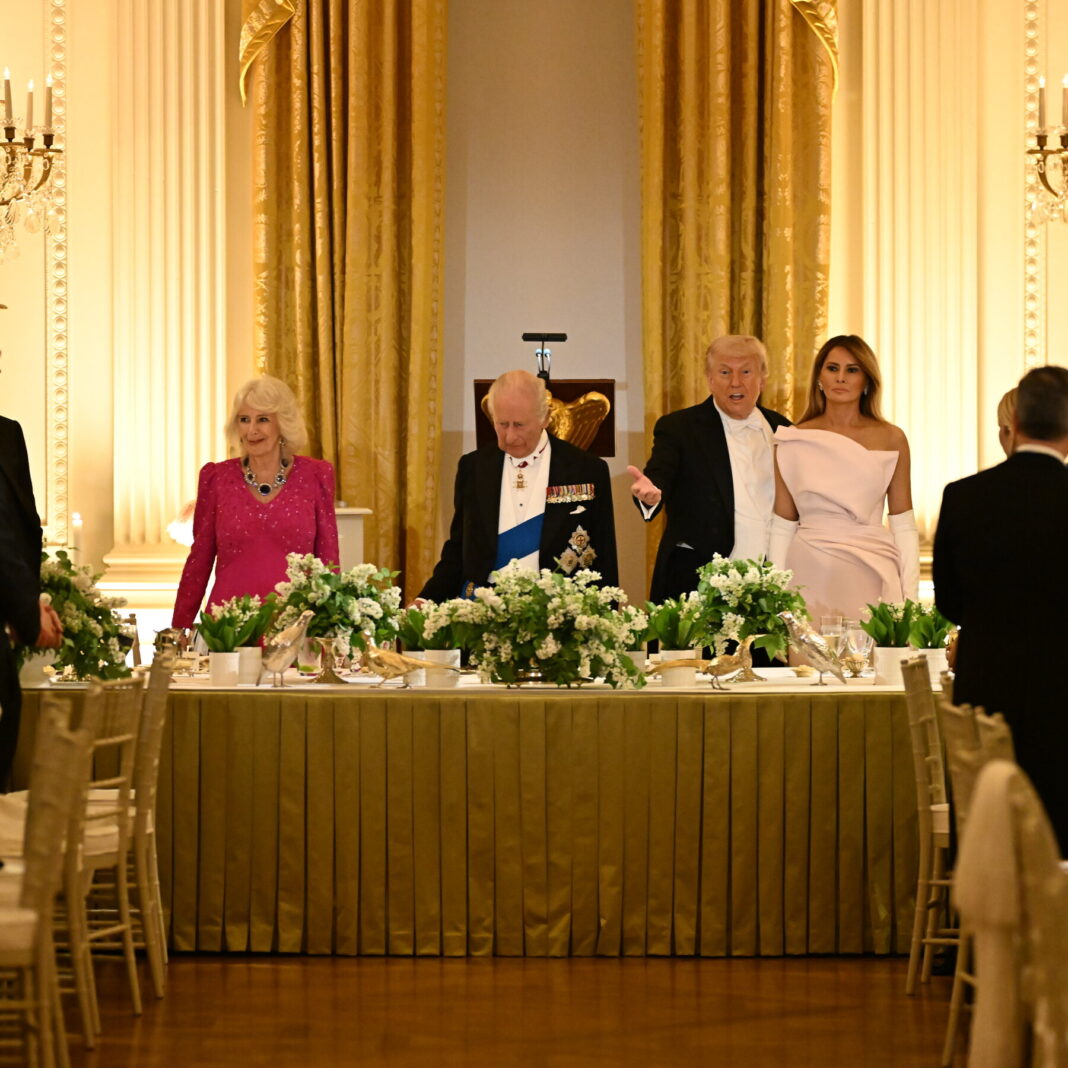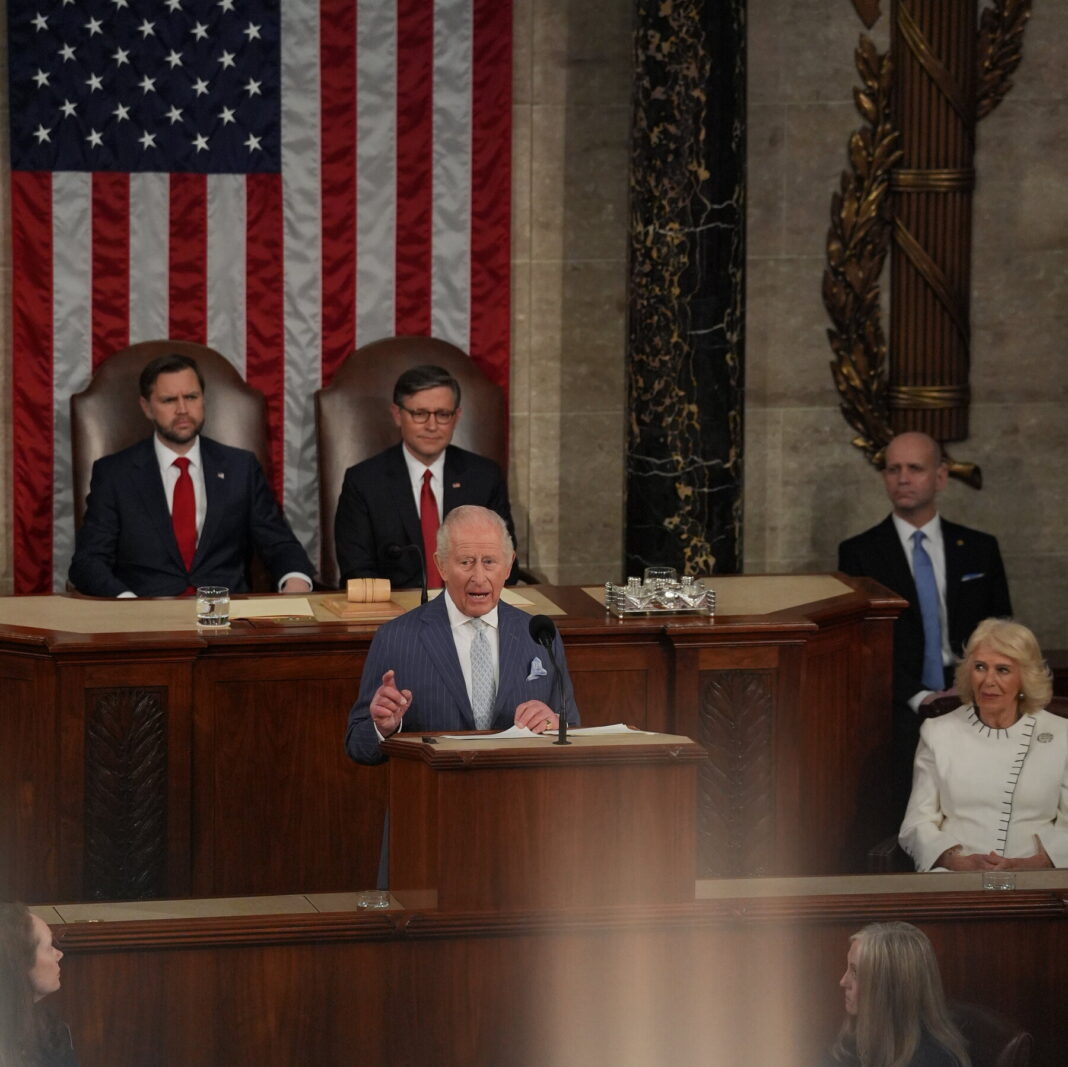
Beneath the polished decorum of King Charles III’s public appearance, a subtle rebuttal emerged against President Trump. The monarch gently pushed back on the president’s recent attacks on Britain and NATO. His carefully chosen words carried weight beyond the ceremonial setting.
The king’s remarks avoided direct confrontation. Instead, they relied on understated, diplomatic language. This approach allowed him to defend longstanding alliances without escalating tensions.
Trump had previously criticized Britain’s defense spending and questioned NATO’s relevance. The king’s comments reinforced the importance of collective security. He emphasized shared values and historical bonds between the nations.
Observers noted the timing and tone of the speech were deliberate. It was a rare moment of political signaling from the British monarchy. Royal protocol typically steers clear of such direct engagement with foreign policy disputes.
The response did not mention Trump by name. Yet the context made the target unmistakable. King Charles aimed to reaffirm Britain’s commitment to its allies.
This balancing act showcased the monarchy’s soft power. It allowed for a measured response without jeopardizing diplomatic relations. The king maintained his role as a unifying figure while subtly defending national interests.
The incident highlights the delicate line royals walk in modern politics. They must remain impartial while sometimes needing to protect the realm’s reputation. King Charles navigated this with practiced restraint.