After years of testing mosquito repellents, traps, and sprays, a few methods reliably keep the insects away. Many other products fail to deliver on their promises. The right approach depends on yard size and mosquito pressure.
Tests covered a range of products, from wearable repellents to yard foggers. Traps and zappers showed inconsistent results. Sprays and yard treatments performed better in most conditions.
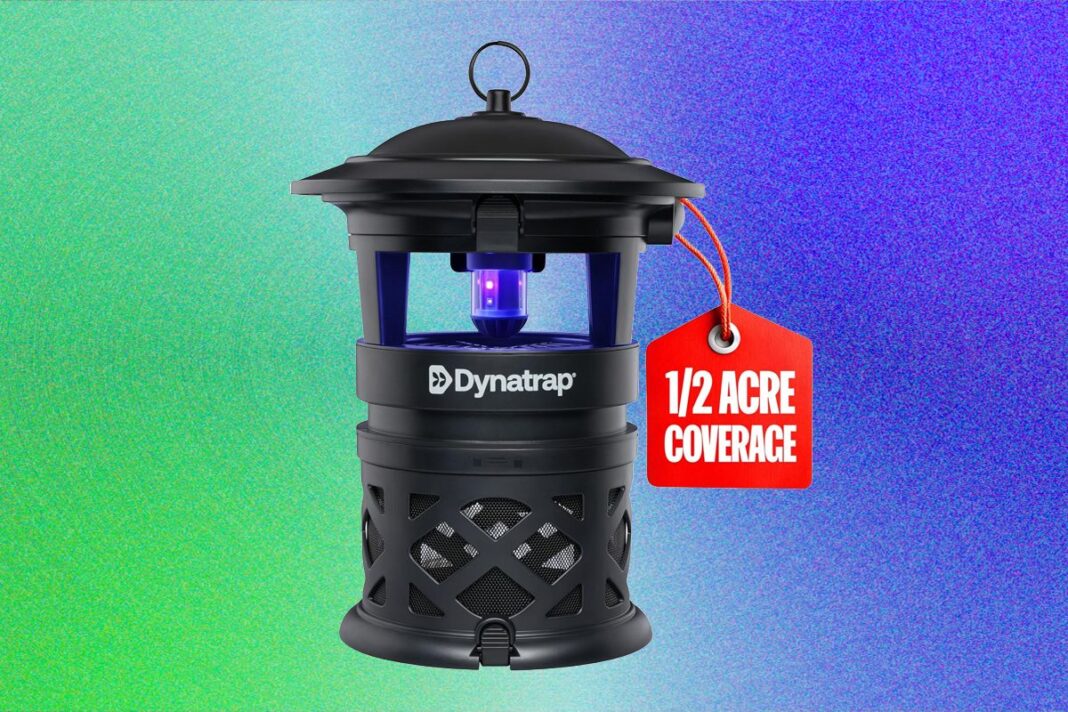
Mosquito traps that use carbon dioxide or heat attract some insects but rarely reduce bites. Zappers kill more harmless bugs than mosquitoes. These devices offer little protection in a typical backyard.
Yard sprays with permethrin or similar ingredients reduce mosquito activity for hours. Professionals often apply these treatments around foliage and shaded areas. DIY versions work if applied correctly.
Wearable repellents like clip-on devices have limited range. They may help in still air but fail with any breeze. Spray-on repellents for skin and clothing remain more dependable.
Removing standing water eliminates breeding sites and cuts mosquito populations over time. Fountains, birdbaths, and clogged gutters are common culprits. This step costs nothing and yields lasting results.
Combining yard treatments with personal repellents offers the best defense. No single product eliminates every mosquito. Layering methods keeps bites down during peak season.