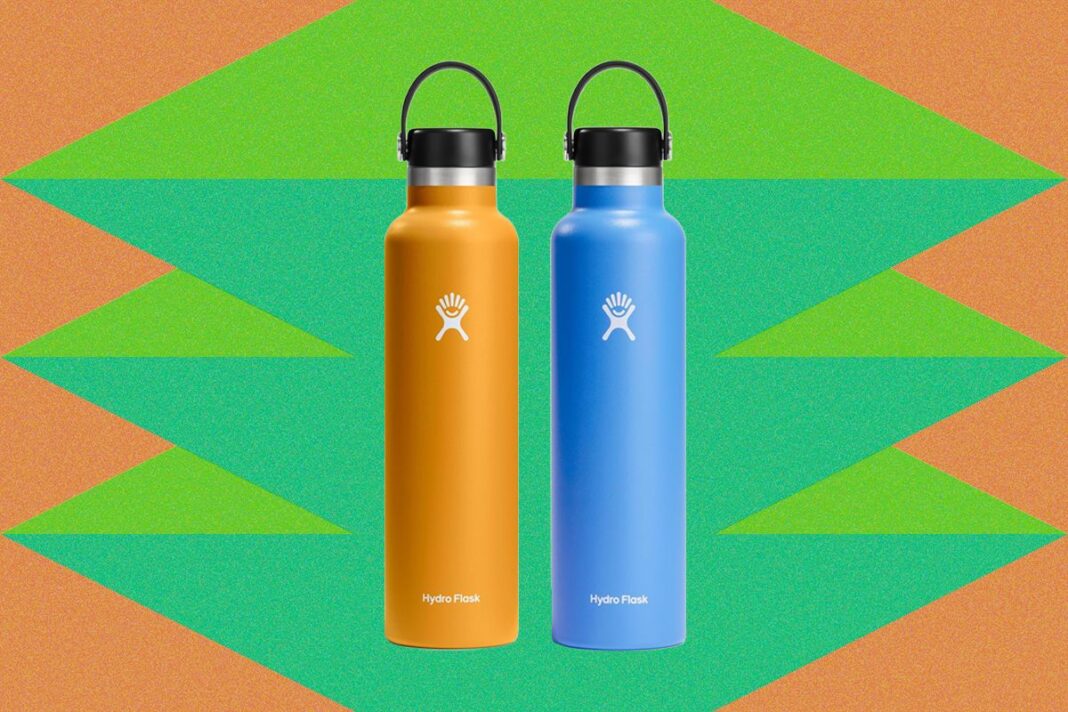
The reusable water bottle market has expanded with new materials and designs in 2026. Testing focused on durability, lid function, and cleaning ease. Bottles were dropped, packed in bags, and washed repeatedly to assess real-world use.
Stainless steel models remain top performers for insulation and toughness. Several options kept drinks cold for over 24 hours without sweating. Powder-coated exteriors resisted scratches and dents better than bare metal.
Plastic bottles offer lighter alternatives for short trips or gym sessions. New BPA-free formulations reduced lingering odors and stains. However, some lids cracked after repeated drops onto hard surfaces.
Glass bottles provided the purest taste and resisted scratching. Silicone sleeves prevented breakage in most casual tests. Weight and fragility still limit their appeal for hiking or daily commuting.
Lid design proved a critical differentiator across all categories. Flip-top and straw lids were convenient but harder to clean thoroughly. Wide-mouth screw caps performed best for leak prevention and dishwasher safety.
Cleaning tests revealed hidden mold risks in complex lids and narrow openings. Bottles with removable gaskets and few crevices dried faster and stayed fresher. Dishwasher-safe models saved significant time over hand-washing.
Price did not always predict performance. Several mid-range bottles matched premium brands in durability and insulation. Budget picks often failed after a few weeks of heavy use.
Recommended models balanced leakproof seals, easy cleaning, and sturdy build quality. No single bottle excelled in every test. Consumers should match lid style and material to their primary activity, such as office work or trail running.