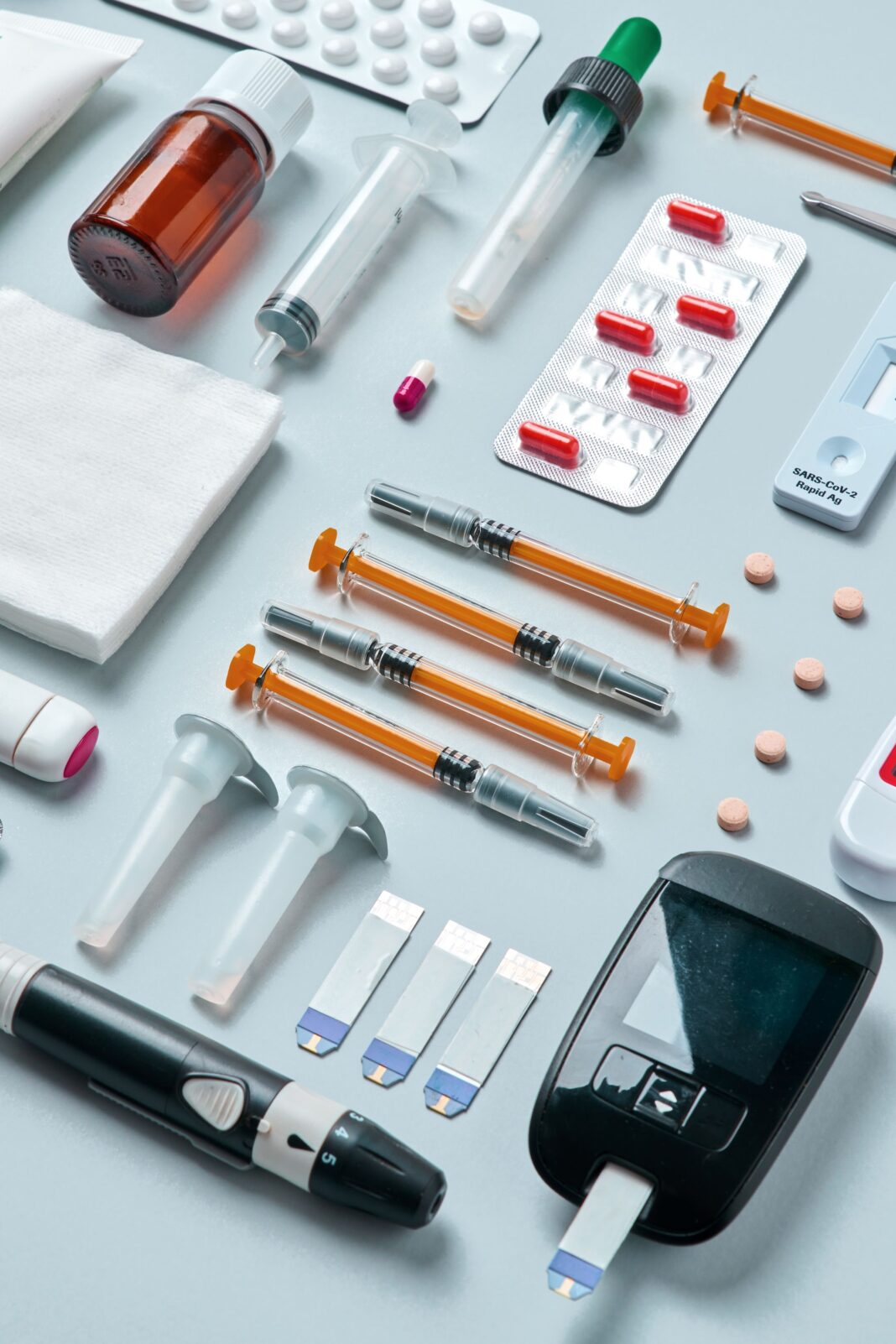
Blood glucose levels have long served as a standard indicator for diabetes risk. However, this measure alone often fails to detect the disease early in certain populations.
Current diagnostic tools rely heavily on fasting glucose tests and HbA1c levels. These methods can miss subtle metabolic changes that occur before blood sugar rises noticeably.
Researchers are now developing new biomarkers to improve early detection. These include proteins, lipids, and genetic markers that signal insulin resistance or beta cell dysfunction earlier.
One promising area involves metabolomics, which analyzes small molecules in the blood. This approach can reveal patterns associated with prediabetes that standard tests do not capture.
Another focus is on inflammatory markers, as chronic low-grade inflammation often precedes diabetes. Detecting these markers could allow for earlier intervention in high-risk individuals.
These advanced tools aim to address disparities in diabetes diagnosis. Certain ethnic groups may exhibit different metabolic profiles, making traditional tests less accurate for them.
The new methods are not yet widely available in clinics. Researchers are working to validate them in large-scale trials before seeking regulatory approval.
If successful, these biomarkers could transform diabetes care. Early detection would enable lifestyle or medical interventions before the disease progresses to a more severe stage.
The shift toward personalized diagnostics also promises cost savings for healthcare systems. Preventing full-blown diabetes is far less expensive than managing its complications.
Development of these tools is moving rapidly. Several biotech companies are already running clinical studies to bring the first of these tests to market within years.