Oil markets initially showed little reaction to the latest blockade. The move, however, aims to significantly pressure Iran’s energy exports. This strategy carries substantial and escalating risks.
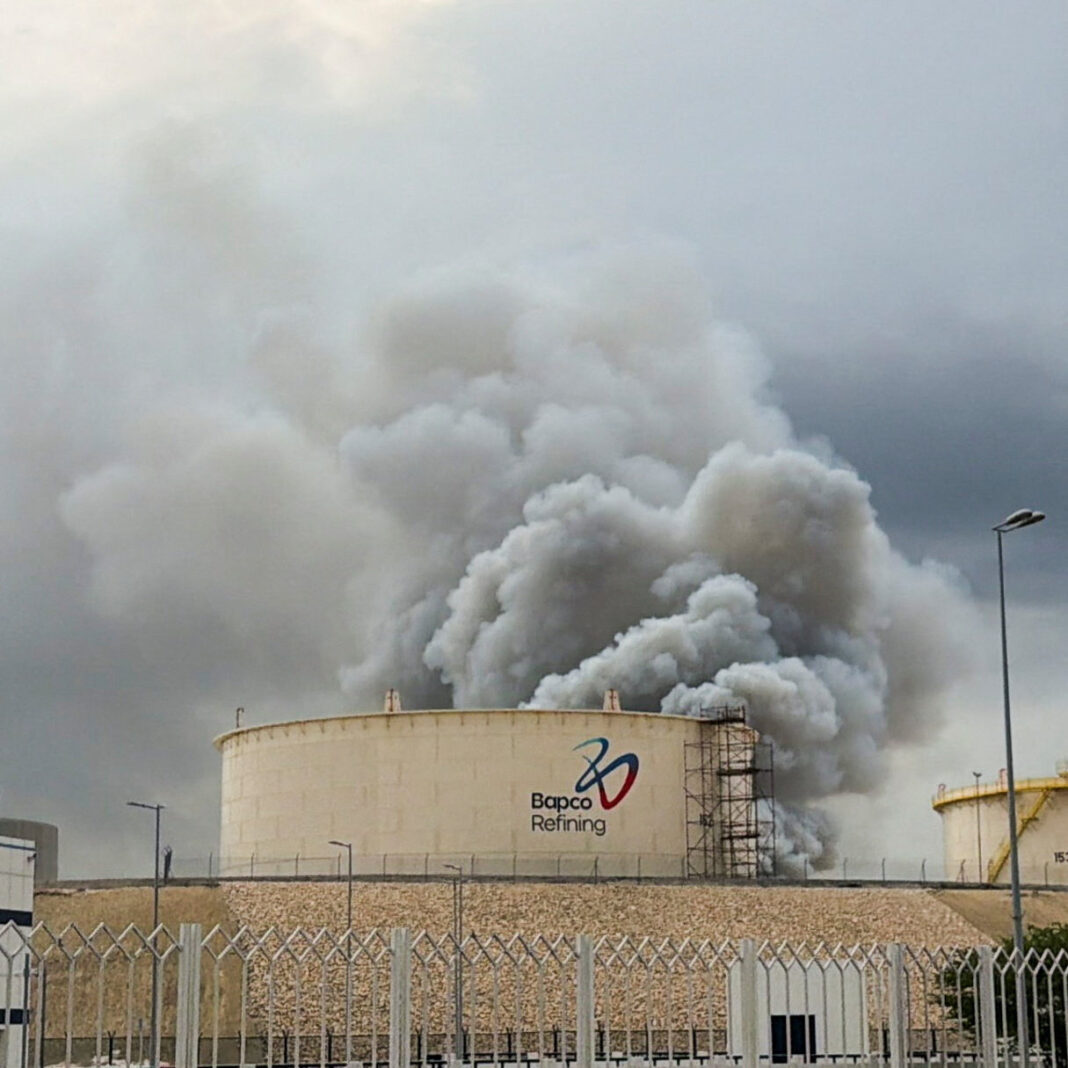
The primary danger lies in potential retaliation from Tehran. Iran could target critical energy infrastructure in response. Such actions would directly threaten global oil supplies.
Disruptions to shipping lanes or production facilities are a real possibility. These events would likely trigger immediate price volatility. The stability of the entire market could be shaken.
The broader economic consequences extend far beyond oil prices. Global supply chains remain vulnerable to energy shocks. Manufacturing and transportation costs would inevitably rise.
This situation creates a precarious scenario for diplomatic relations. Further escalation could draw in other regional powers. A wider conflict would have severe implications for trade.
The current market calm may prove misleading. It reflects a short-term assessment rather than long-term peril. Underlying geopolitical tensions are reaching a boiling point.
The ultimate cost of this policy could be measured in economic damage. A sustained energy crisis would impact growth worldwide. The strategy risks achieving a Pyrrhic victory at great expense.