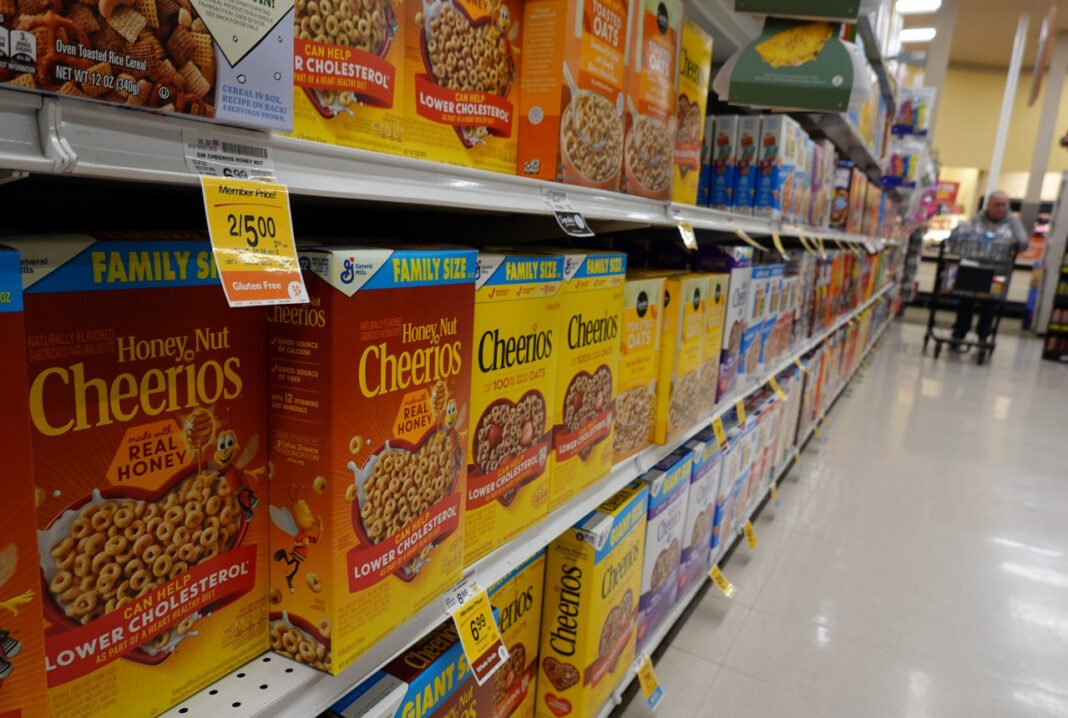
Major food companies, including General Mills and Kraft Heinz, face mounting pressure from both shoppers and investors. Inflation has pushed prices higher, while the rise of weight-loss drugs known as GLP-1s is reshaping consumer eating habits.
Investors have largely abandoned these packaged food giants. Sales volumes have dipped as consumers seek cheaper alternatives or reduce processed food intake.
Store brand products continue to steal market share from national brands. Shoppers are increasingly willing to swap familiar labels for lower-priced options.
The growth of GLP-1 medications curbs appetite and may shift long-term demand for high-calorie packaged foods. This adds a structural challenge beyond typical economic cycles.
Companies have tried raising prices to protect margins, but that strategy is backfiring. Shoppers are pushing back, choosing to buy less or switch to competitors.
Cost-cutting measures are also reaching their practical limits. Further reductions risk damaging product quality or operational stability.
The new reality strains the traditional business model of relying on brand loyalty and price hikes. Both segments of the market face uncertain prospects.
Regulatory changes and shifting dietary trends will continue to pressure these companies. Adapting to a more fragmented food landscape is becoming unavoidable.
Investor confidence may not return until these firms demonstrate a viable path to stable growth. The current playbook is proving insufficient for the challenges ahead.