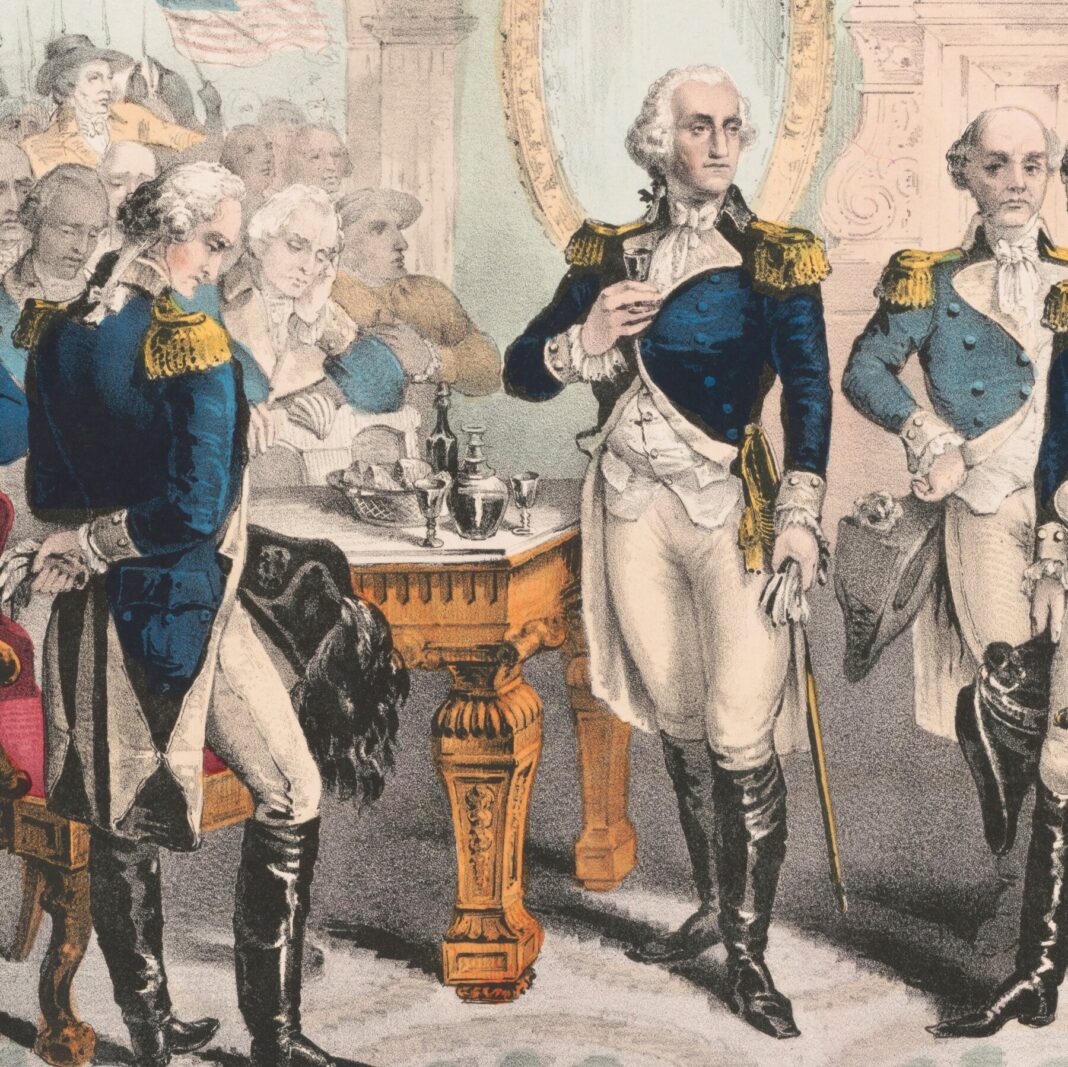
In her new history “Cocked and Boozy,” Brooke Barbier examines the central role alcohol played during the colonial era.
Drinking was not merely a pastime but a daily necessity for early Americans. Water was often unsafe, making fermented beverages the primary source of hydration.
Taverns functioned as critical hubs for political debate and economic exchange. These establishments served as meeting places where news was shared and local governments formed.
Alcohol production became a major industry, with rum distilling driving trade routes. Molasses from the Caribbean fueled distilleries in New England, linking commerce directly to the drink.
Barbier highlights how alcohol shaped social hierarchies and gender roles. Women often brewed beer at home, while men controlled public drinking spaces in taverns.
The book also explores the darker side of colonial drinking culture. Excessive consumption led to public disorder and fueled conflicts with Native American communities over trade and territory.
Religious leaders viewed drunkenness as a moral failing, yet they rarely condemned drinking itself. Many sermons and laws aimed to regulate, not eliminate, alcohol use.
Barbier’s research challenges modern assumptions about temperance and early American life. It reveals a society built on daily drinking, far from later prohibitionist ideals.
The narrative moves chronologically, tracing alcohol’s influence from first settlements to the Revolutionary War. Each chapter connects drinking habits to broader historical shifts.
“Cocked and Boozy” offers a fresh lens for understanding colonial history through its most common beverage. It is a detailed account grounded in primary sources and archival evidence.