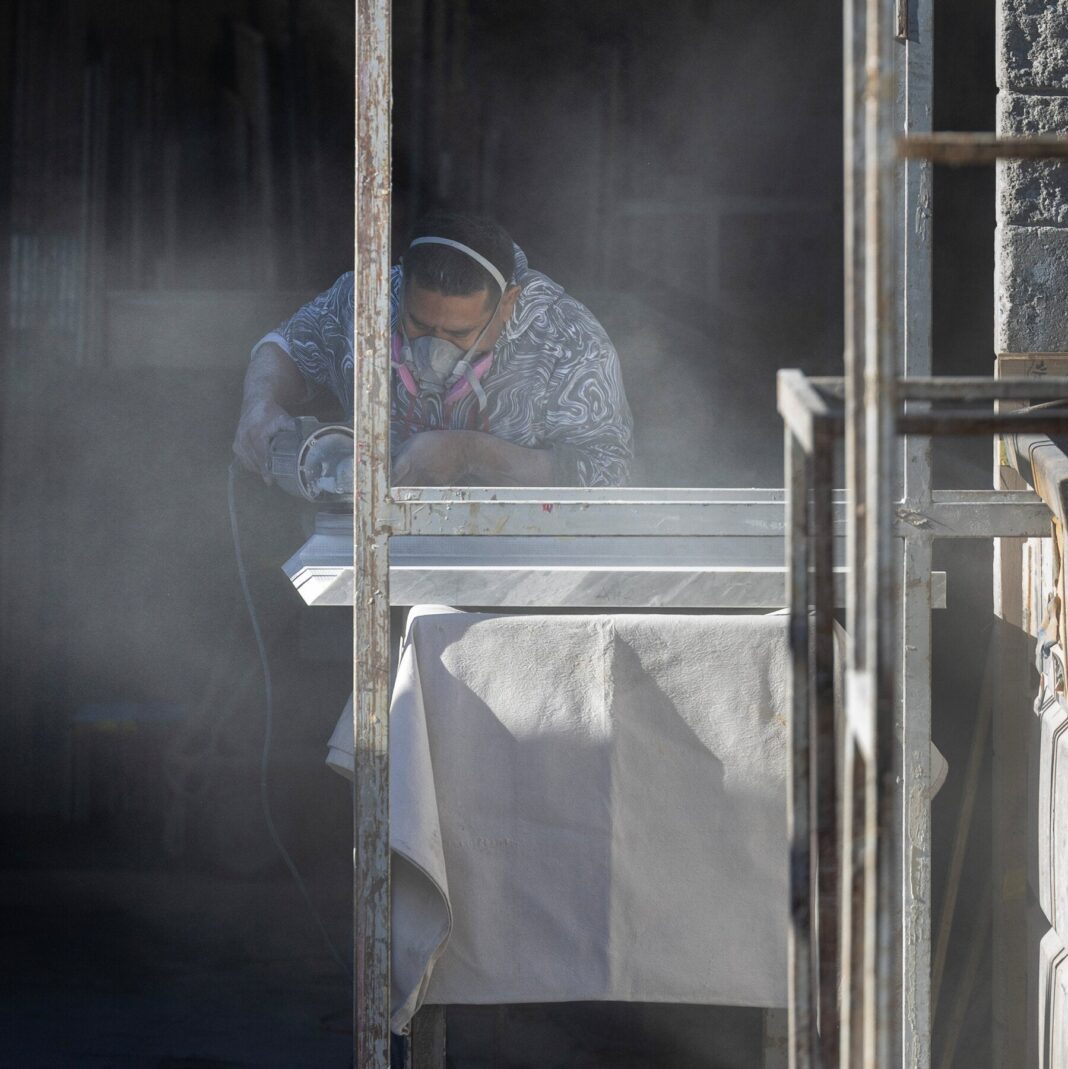
California may soon restrict quartz countertops, prompting contractors and retailers to look at alternative materials. The push follows growing concern over silica dust exposure in fabrication shops. Workers who cut quartz slabs can inhale fine particles that damage lung tissue. State regulators are weighing new limits on the material as a result. The change could reshape how kitchens and bathrooms are built across the state.
Quartz countertops are engineered from crushed stone mixed with resins. The material typically contains a high percentage of crystalline silica. Cutting, grinding, and polishing slabs release dust that can stay airborne. Inhaling that dust has been linked to silicosis, an incurable lung disease. The risk is highest in shops without effective dust controls.
Manufacturers are responding by developing surfaces made without the dust hazards. Some products use alternative minerals or lower silica content. Others rely on different binders and fillers. The goal is to match quartz’s durability and appearance while reducing health risks. Retailers are beginning to stock these options for concerned customers.
Contractors say the shift requires adjustments on the job site. New materials may cut and finish differently than quartz. Fabricators need updated tooling and handling practices. Training crews on safer methods has become a priority for many shops. Dust suppression systems and respirators remain essential regardless of the material.
Homeowners are also weighing the trade-offs. Quartz remains popular for its consistent look and easy maintenance. Alternatives may vary in color, pattern, and stain resistance. Some buyers are asking for documentation on silica content before choosing a surface. Price differences between materials can be significant.
Industry groups are watching the California debate closely. Other states have considered similar rules for silica dust in fabrication. A California restriction could set a precedent for the national market. Manufacturers that adapt early may gain an edge with contractors and designers. The outcome will likely influence product lines beyond the state.
The timeline for any ban remains uncertain. Regulators must finalize standards and give businesses time to comply. Contractors are urging clear guidance on acceptable materials and work practices. Retailers want predictable rules to manage inventory and customer expectations. For now, the market is moving toward safer options ahead of any formal decision.