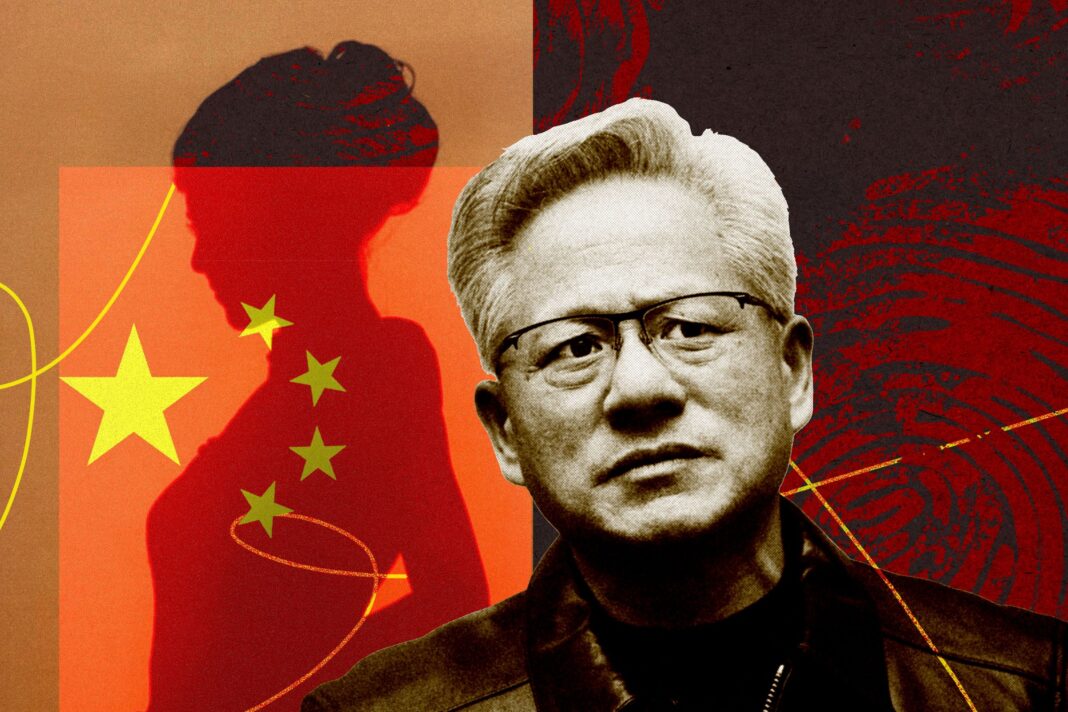
China has long used sexual espionage as an intelligence tactic, with several high-profile cases in recent years. The practice is well documented and widely studied by security analysts. Yet Nvidia CEO Jensen Huang apparently did not see the risk coming.
Huang leads the world’s most valuable chip company and sits at the center of the global AI boom. His position makes him a prime target for foreign intelligence operations. The reported episode raises questions about how such a seasoned executive could be caught off guard.
Sexual espionage, often called sexpionage, relies on personal relationships to extract information or influence. Intelligence agencies have used it for decades across multiple countries. China is not alone in the practice, but its recent operations have drawn particular scrutiny.
The case involving Huang fits a pattern seen in other technology and business sectors. Executives with access to sensitive commercial or strategic data are frequent targets. Personal vulnerabilities can be exploited even when corporate security is strong.
Details around the incident remain limited, but the broader lesson is clear. Intelligence services adapt to new industries and new centers of power. The AI sector now sits at the top of that list for many governments.
Corporate security teams often focus on digital threats such as hacking and data breaches. Human intelligence tactics like sexpionage can slip through those defenses. Executives need personal awareness alongside technical protections.
Huang’s experience underscores a gap between technical leadership and personal security. The most powerful figures in AI are not automatically trained in counterintelligence. That vulnerability is exactly what foreign agencies look for.