Colleges and universities spent years expanding computer-science programs to meet soaring student demand. That rapid growth is now slowing as enrollment declines and job prospects weaken.
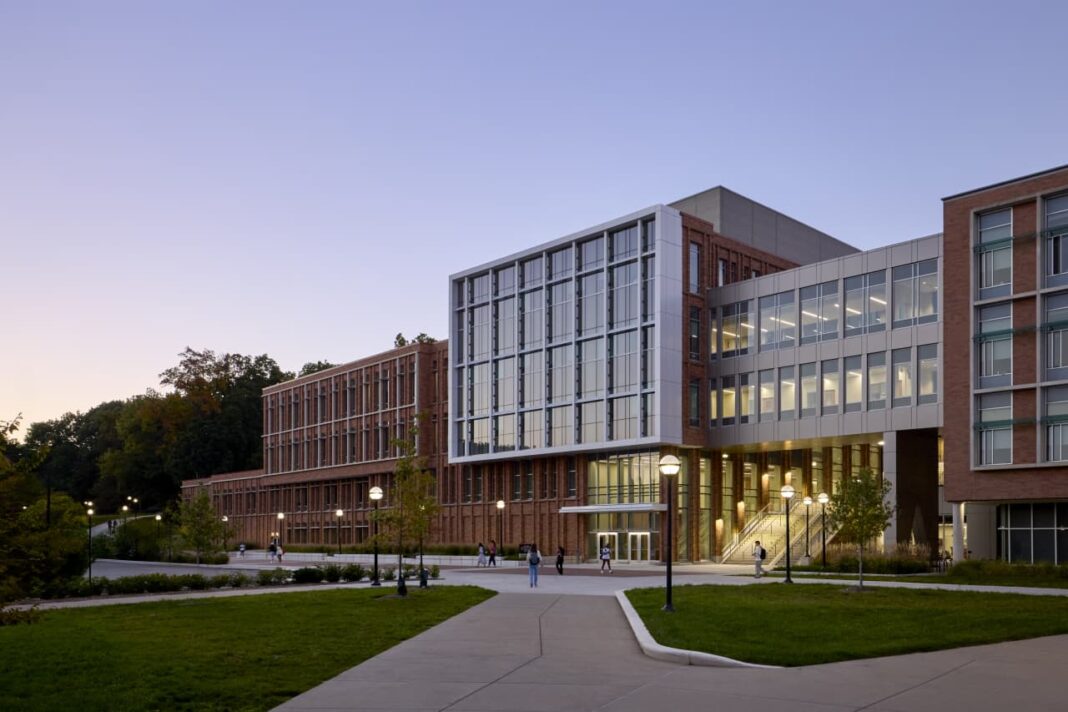
Many schools hired faculty and built new facilities to accommodate the surge in majors. Administrators treated computer science as a reliable path to enrollment growth and graduate success.
The boom is fading as students begin to question whether the degree still guarantees stable employment. Tech-industry layoffs and a tighter job market have changed perceptions.
A common sentiment among students and educators captures the shift: computer science is no longer seen as the guaranteed ticket to the American dream.
Some departments now face difficult decisions about staffing and resources planned during the growth years. Programs that expanded quickly must adjust to smaller incoming classes.
The change reflects broader uncertainty in the technology sector, where hiring has slowed after a period of aggressive recruitment. Students are weighing other majors with clearer job outcomes.
Universities are reassessing how they market computer-science degrees and how they prepare graduates for a more competitive market. The focus is shifting from growth to stability.