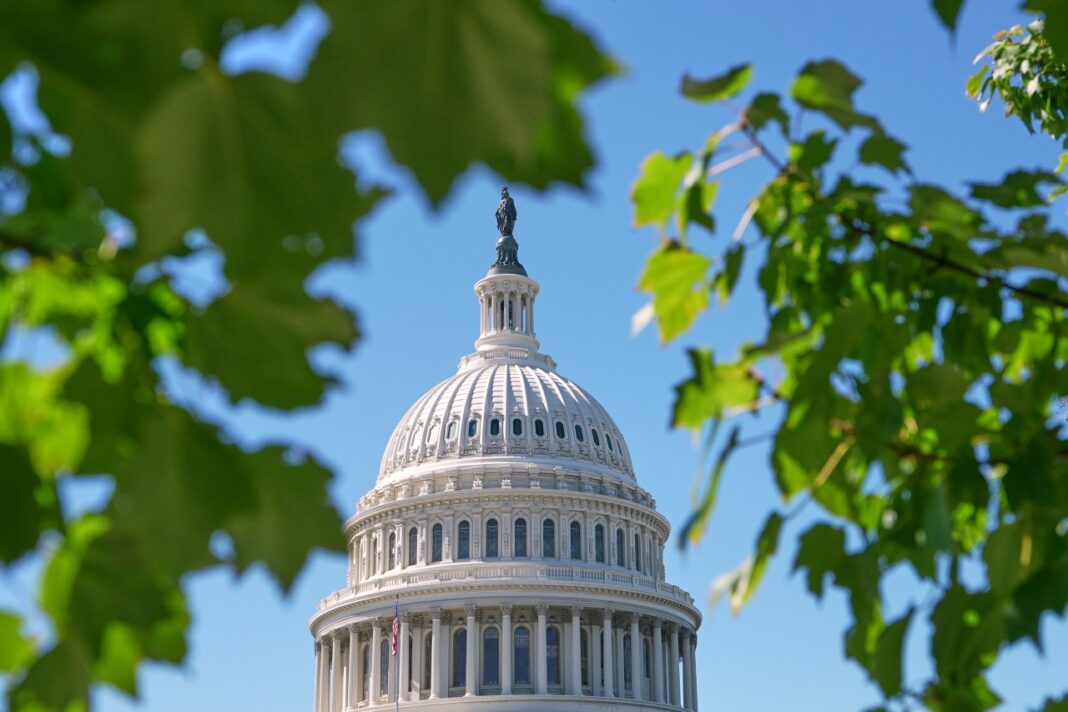
A split government often benefits the stock market. When neither party dominates, major policy changes become harder to pass. Investors tend to prefer this stalemate over sudden legislative shifts.
Gridlock creates a predictable environment. Markets can plan around the status quo instead of reacting to new laws. This stability often supports steady returns.
Yet certainty matters even more. Businesses invest when they know the rules ahead of time. Consumers spend more freely when tax and regulatory policies stay consistent.
The recent election results point to divided power in Washington. That outcome reduces the chance of sweeping reforms. It also limits the risk of abrupt changes to trade or fiscal policy.
Investors should not confuse gridlock with safety. A divided government can still struggle with debt limits and budget deadlines. Those fights may cause short-term volatility.
Meanwhile, oil prices have climbed again. Rising crude costs can feed inflation and squeeze household budgets. Energy stocks often gain, but transport and retail firms may face pressure.
The combination of political division and higher oil prices creates a mixed outlook. Stocks may benefit from policy paralysis, but energy costs remain a wild card. Certainty, not just gridlock, will drive markets next.