The Dow Jones Industrial Average slipped on Tuesday as oil prices touched wartime highs, with escalating conflict between the U.S. and Iran threatening to push inflation even higher.
Crude oil benchmarks surged past $95 a barrel, marking levels not seen since early stages of the Ukraine war. The jump followed new U.S. sanctions on Iranian oil exports and Tehran’s threat to block the Strait of Hormuz.
Investors grew increasingly wary of sustained energy costs, which could keep consumer prices elevated. The Dow fell roughly 200 points, while the S&P 500 and Nasdaq also closed lower.
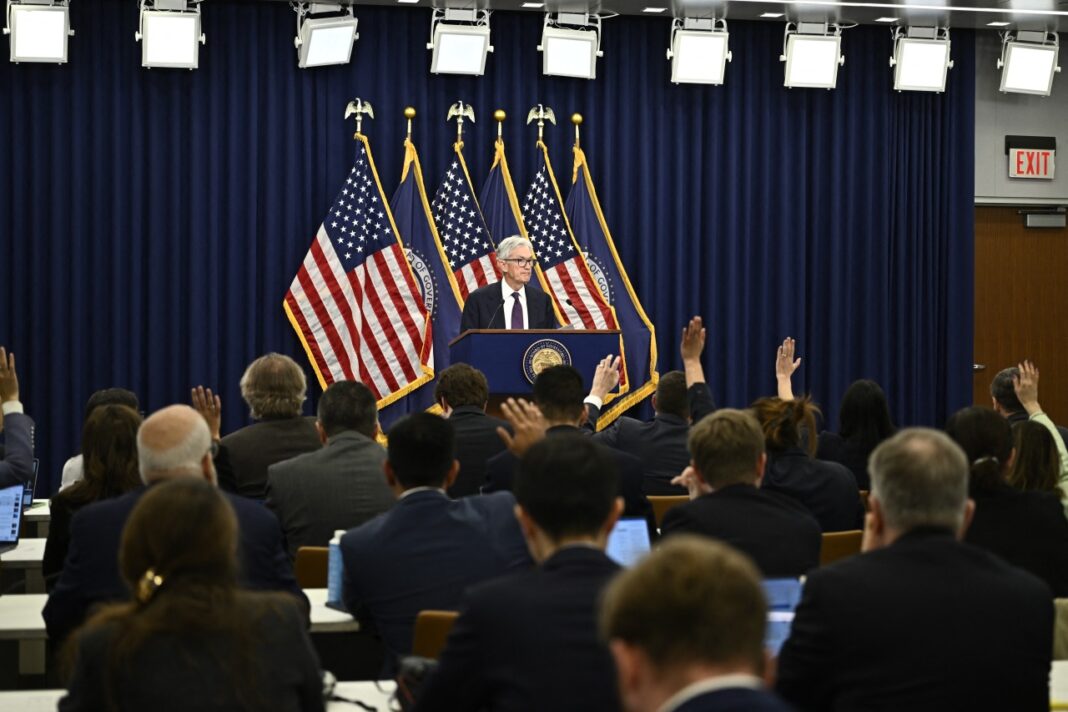
In his swan-song press conference as Fed chair, Jerome Powell warned that prices haven’t peaked yet. He acknowledged that the central bank’s fight against inflation remains unfinished, even as interest rates have stayed high.
Powell’s comments reinforced market expectations that rate cuts remain distant. Traders adjusted their positions, pricing in a higher probability of the Fed holding rates steady through the summer.
The energy sector saw the biggest gains, with major oil producers up sharply. Defense stocks also rose as geopolitical risk premiums expanded across the market.
Retail and airline stocks suffered, as higher fuel costs threaten profit margins and consumer spending. Analysts warned that prolonged oil spikes could dampen economic growth.
The White House signaled it may tap the Strategic Petroleum Reserve again to stabilize prices. But officials acknowledged that diplomatic solutions remain uncertain as tensions with Iran intensify.
Treasury yields edged higher on inflation concerns, while gold also climbed as a safe-haven play. The dollar strengthened, adding pressure on emerging market currencies.
Tuesday’s decline reflects a broader market recalibration. Investors now face a reality where geopolitical conflict and sticky inflation limit the Fed’s ability to ease policy anytime soon.