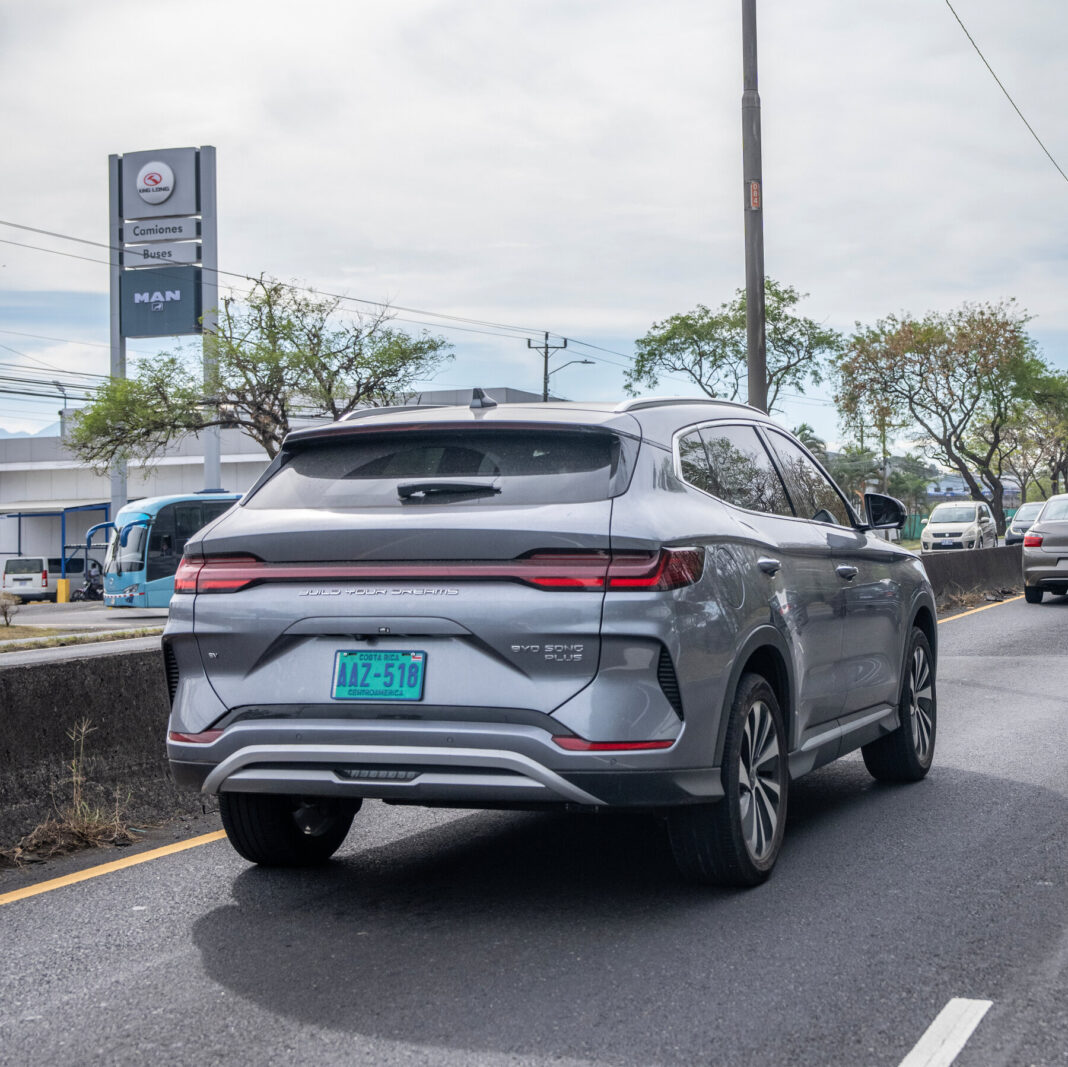
Driving an electric vehicle in Costa Rica presents a unique set of challenges and advantages. The country’s charging network remains inconsistent across different regions. Many rural areas lack the infrastructure found in the capital, San José.
Costa Rica’s small size works in favor of EV drivers. The longest drives rarely exceed a few hours between major towns. This makes range anxiety less of a concern for most trips.
Government incentives have boosted electric car adoption in recent years. Tax breaks and import duty exemptions lower the upfront cost for buyers. These policies encourage more residents to switch from gasoline vehicles.
Tourists can also rent electric cars from several agencies. The process is straightforward for those planning their routes carefully. Rental companies provide guidance on charging stops along popular destinations.
Charging speeds vary widely depending on the location and equipment. Fast chargers are mostly concentrated in urban centers and tourist hubs. Slower Level 2 chargers are more common in smaller towns.
Drivers must plan ahead to avoid getting stranded. Mobile apps help locate available charging stations in real time. Some hotels now offer complimentary charging for guests.
The driving experience itself remains pleasant and scenic. Costa Rica’s winding roads and lush landscapes reward slower travel. Electric vehicles handle the hilly terrain with quiet efficiency.
Overall, the feasibility of driving electric in Costa Rica depends on preparation. The country’s compact geography reduces many traditional hurdles. With proper planning, an EV road trip is a realistic option.