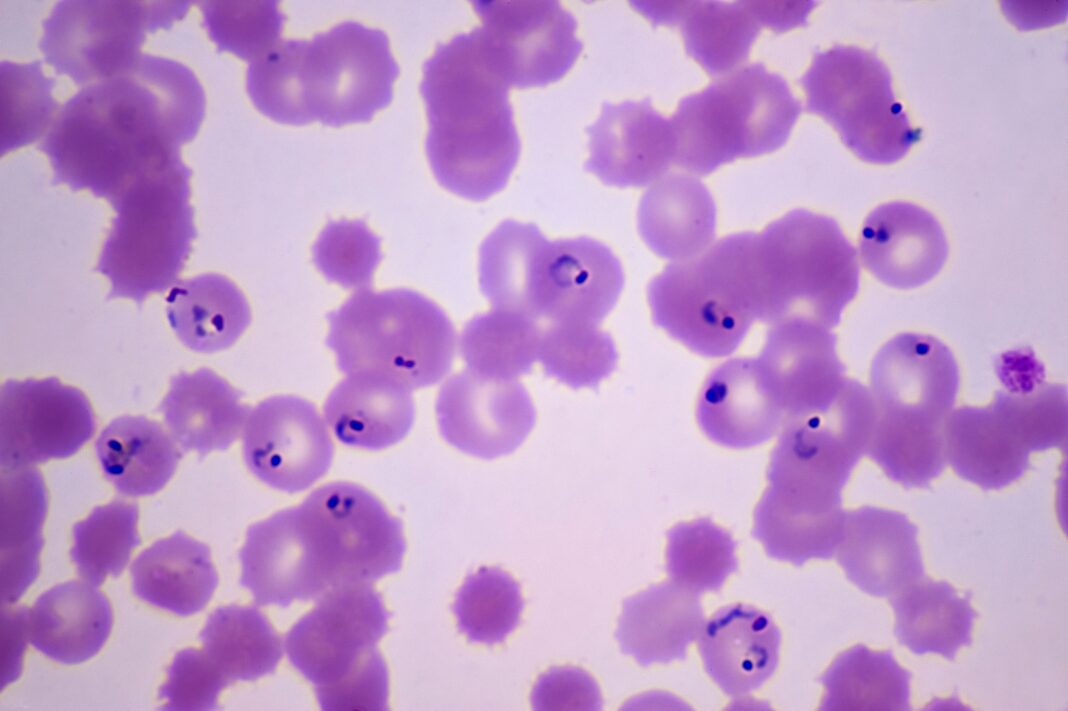
A genetic mutation is enabling drug-resistant malaria to spread more easily, according to new research. The mutation affects the parasite’s ability to survive treatment with artemisinin, a drug widely used as the first line of defense against the disease. Scientists found that the mutation not only reduces the drug’s effectiveness but also increases the parasite’s transmission potential.
The study, published in a peer-reviewed journal, examined parasite samples from multiple regions in Southeast Asia, where resistance has been most prevalent. Researchers identified a specific genetic change that allows the parasite to enter a dormant state during early development. This dormant phase helps the parasite evade artemisinin’s effects, which typically target actively growing cells.
Artemisinin-based combination therapies, or ACTs, have been the standard treatment for uncomplicated malaria for over a decade. Resistance to artemisinin has emerged independently in several parts of the Greater Mekong Subregion. The new findings suggest that the mutation provides a dual advantage, enhancing both survival and transmission rates.
Data from laboratory experiments showed that parasites carrying the mutation produced more gametocytes, the sexual stage of the parasite that is picked up by mosquitoes. This increase in gametocyte production means that infected individuals are more likely to pass the parasite to others. The combination of drug evasion and higher transmission creates a difficult cycle to break.
Public health officials have long warned that the spread of artemisinin-resistant malaria could lead to increased morbidity and mortality in affected regions. Previous efforts to contain resistance have focused on mass drug administration and vector control. However, the new findings highlight the need for more targeted genetic surveillance to detect emerging mutations early.
The study’s authors note that routine diagnostic tools may not capture the full extent of resistance. They recommend incorporating genetic testing into existing surveillance programs. Identifying this mutation in the field could help health workers adjust treatment protocols before resistance becomes widespread.
Malaria remains a major global health challenge, causing an estimated 247 million cases and over 600,000 deaths in 2021. Most cases occur in sub-Saharan Africa, though resistance in Southeast Asia poses a significant threat to global eradication efforts. The current findings offer a clearer picture of how the parasite adapts to pressure from drugs.
Experts say the next step is to determine how widespread this mutation is across different geographic regions. Understanding the mutation’s prevalence will be key to developing new drugs that target resistant strains. Some existing alternative treatments have shown promise, but they are not yet widely deployed.
The research also underscores the importance of sustained funding for malaria control. Without continuous investment in surveillance and drug development, resistance could undo decades of progress. The authors emphasize that proactive measures are more effective than reactive responses once resistance has already taken hold.
For now, the findings serve as a warning that malaria parasites are evolving faster than anticipated. The mutation’s dual impact on treatment and transmission makes it a critical focus for future studies. Addressing this threat will require coordinated efforts from researchers, policymakers, and health workers alike.