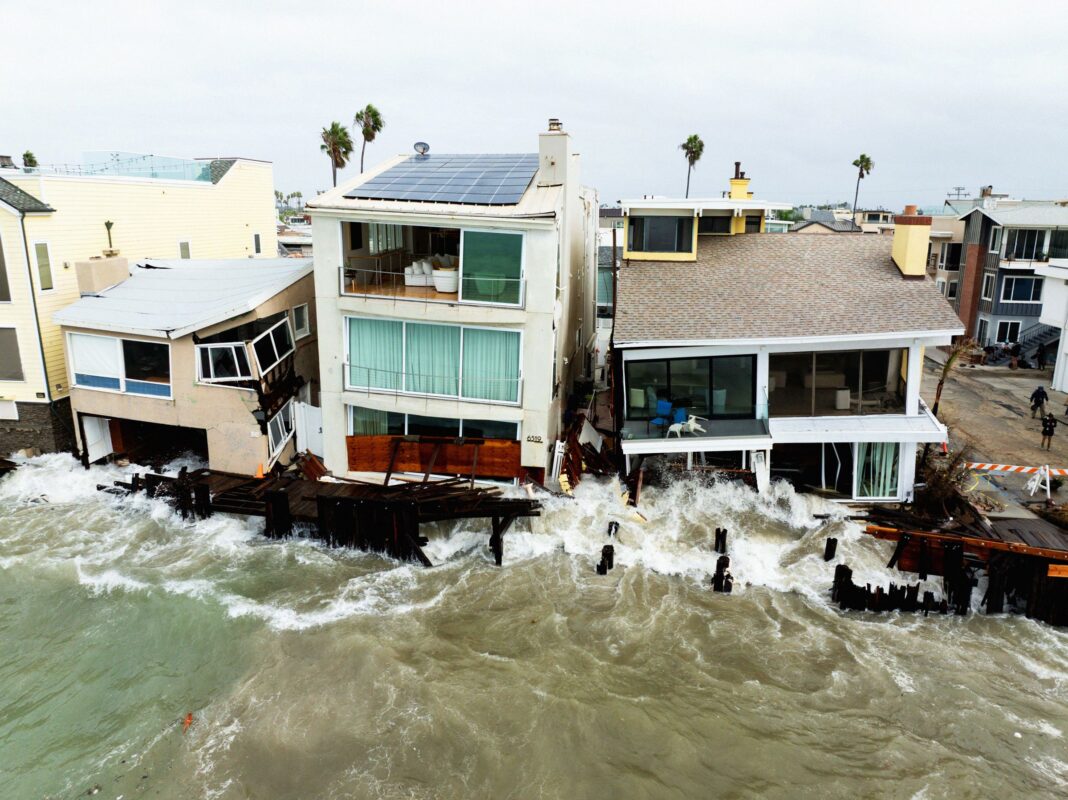
Seven of 16 key planetary health indicators have reached their most extreme recorded levels. Scientists track these vital signs to measure Earth’s overall condition. The findings point to a planet under growing strain.
Climate change drives most of these worsening trends. Rising temperatures, melting ice, and shifting weather patterns all play a role. Each year brings new records that concern researchers.
El Niño has arrived and will likely amplify the damage. This natural climate pattern heats the Pacific Ocean and disrupts weather worldwide. It often pushes global temperatures to new highs.
The combination of human-caused warming and El Niño creates compounding effects. Heat waves, droughts, and floods become more frequent and severe. Communities face risks to food, water, and safety.
Scientists say the window to act is narrowing. Current efforts to cut greenhouse gas emissions remain insufficient. Without rapid changes, conditions will keep deteriorating.
Governments and industries face pressure to accelerate the shift to clean energy. Renewable sources like solar and wind offer viable alternatives. Policy decisions in the coming years will shape the outcome.
Individuals can also contribute by reducing energy use and supporting sustainable practices. Collective action at all levels remains essential. The stakes continue to rise as the planet warms.