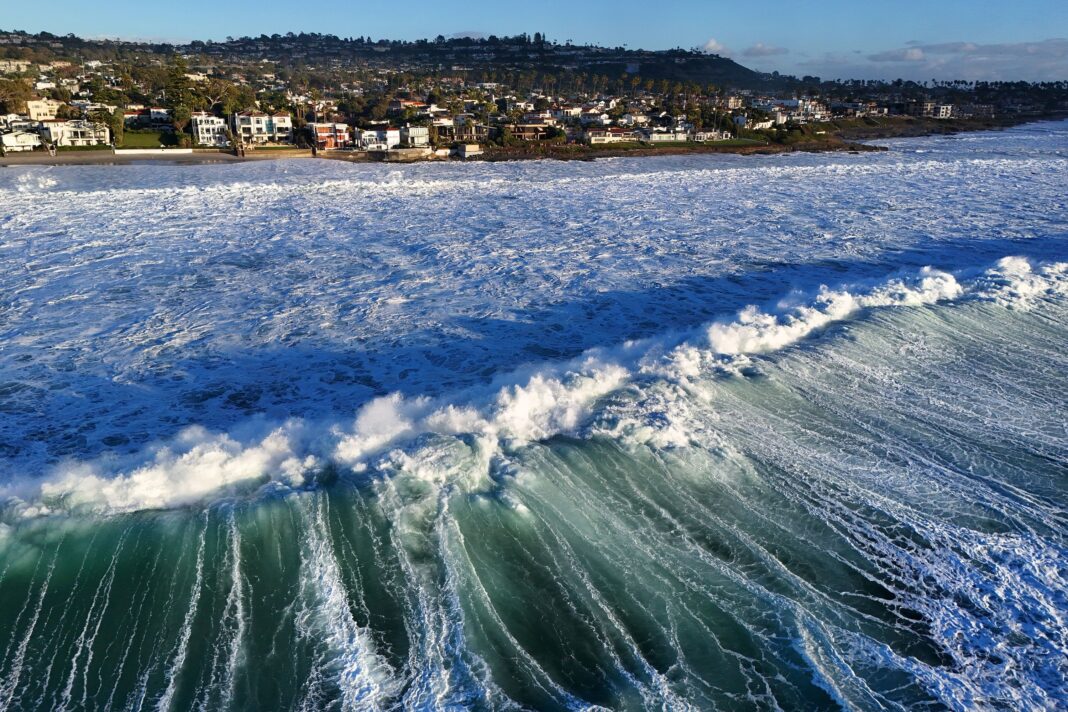
A record marine heat wave is developing off the California coast. Scientists link the extreme ocean warming to El Niño conditions in the Pacific. The heat extends hundreds of meters below the surface.
Sea surface temperatures have climbed well above normal across a wide stretch of the Pacific. The warm water reaches depths that typically stay cold year-round. Researchers describe the event as one of the strongest on record for the region.
The heat wave is fueling severe storms along the coast. Abnormally high seas have accompanied the warm water. Coastal communities face increased flood risk during high tides.
El Niño years typically bring warmer ocean temperatures to the eastern Pacific. This event stands out for its intensity and depth. Forecasters expect the pattern to persist for months.
Marine heat waves disrupt ecosystems that depend on cold, nutrient-rich water. Fish and marine mammals may shift their ranges in response. Commercial fisheries could see changes in catch patterns.
Scientists monitor the event using satellites, buoys, and research cruises. Depth measurements reveal heat stored far below the surface. That stored energy can sustain the heat wave even if surface winds change.
The warm water can influence weather far beyond the coast. Shifts in ocean temperature affect storm tracks and rainfall patterns. Researchers continue to track how the event evolves.