
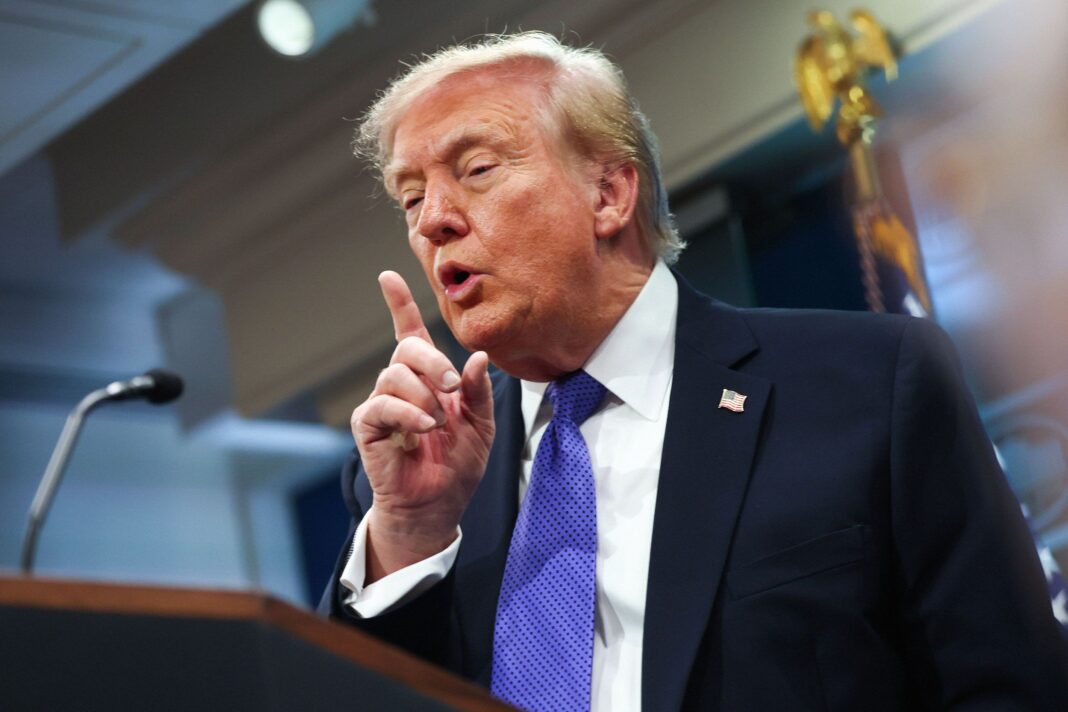
Election denial activists are confronting a political reality they did not anticipate. Even Donald Trump has largely accepted the midterm election results. His supporters who promoted false fraud claims are now isolated.
Democrats secured an overwhelming victory in the midterms. Rather than contest the outcome, Trump broadly acknowledged the results. The move undercut the movement that built its identity around rejecting election losses.
For years, a network of activists and candidates insisted that elections could not be trusted. That message collapsed when the party’s most prominent figure declined to endorse it. The shift left many organizers without a clear path forward.
Trump’s response drew sharp disappointment from his most loyal defenders. Some had expected him to challenge the results as he did in 2020. Instead, he stepped back while states certified the outcomes.
The reaction reflects a broader problem for the movement. Fraud claims have failed in court and in audits across multiple states. Public confidence in the process has held in most races.
Republican candidates who embraced denial lost key races. Their defeats suggest the strategy carries costs with general-election voters. Party leaders are now weighing how to move past the issue.
Election officials continue to certify results with few disruptions. Talk of a stolen midterm has faded from the party’s national message. For the activists who built their cause on that claim, the moment marks a stark reversal.