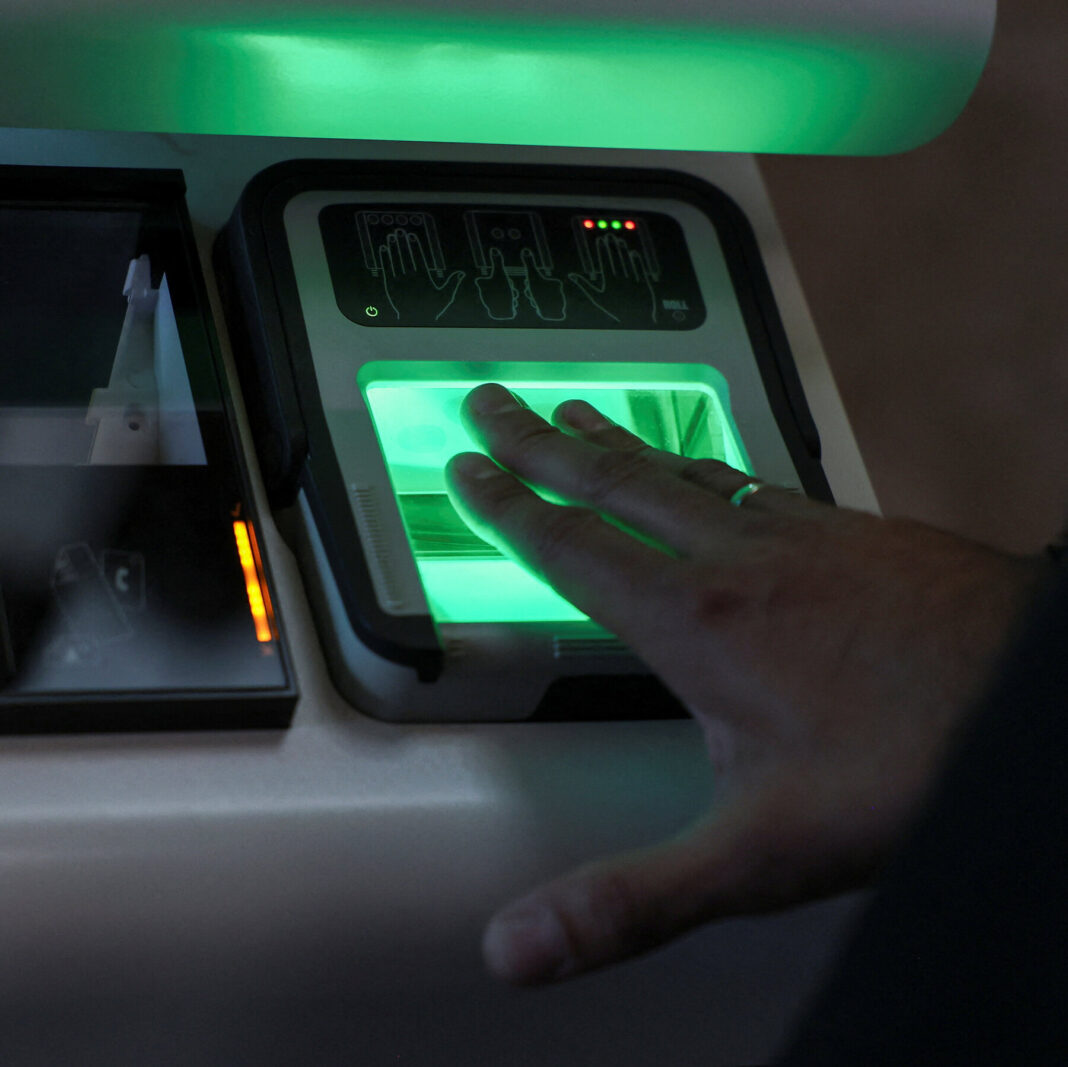
The rollout of new biometric border checks across 29 European countries is causing significant delays for travelers. These systems, known as the Entry/Exit System (EES), require fingerprint and photograph collection for non-EU visitors.
The checks are now operational at major airports, seaports, and land borders. This marks a major shift in how border authorities screen arrivals. Travelers should expect longer wait times during peak travel periods.
The system records each entry and exit to strengthen border security. It replaces traditional passport stamping with digital records. This data helps authorities track overstays and prevent illegal immigration.
Travelers from the United States, Canada, and other visa-waiver nations must comply. The process adds a few minutes per person at checkpoints. Airlines and ferry operators are advising passengers to arrive earlier than usual.
Technical glitches have caused some delays since the launch. Border staff are still adapting to the new equipment. Officials expect smoother operations as the system matures.
Travel agents recommend allowing extra time for connecting flights. Passengers should also keep travel documents easily accessible. Biometric data is stored securely and not shared with third parties.
The system aims to modernize border management across the region. It replaces outdated manual checks with automated processes. The European Union says this will improve efficiency long term.
Frequent travelers may face repeated data collection on each visit. There is no fast-track option currently available for most. Business and leisure travelers alike must plan accordingly.
The biometric checks are part of broader security upgrades in Europe. Similar systems are already in use at many non-EU borders. Travelers should monitor official updates for any changes.
Patience will be key during this transition period. The delays are expected to ease as systems stabilize. Until then, early arrival and preparation are essential.