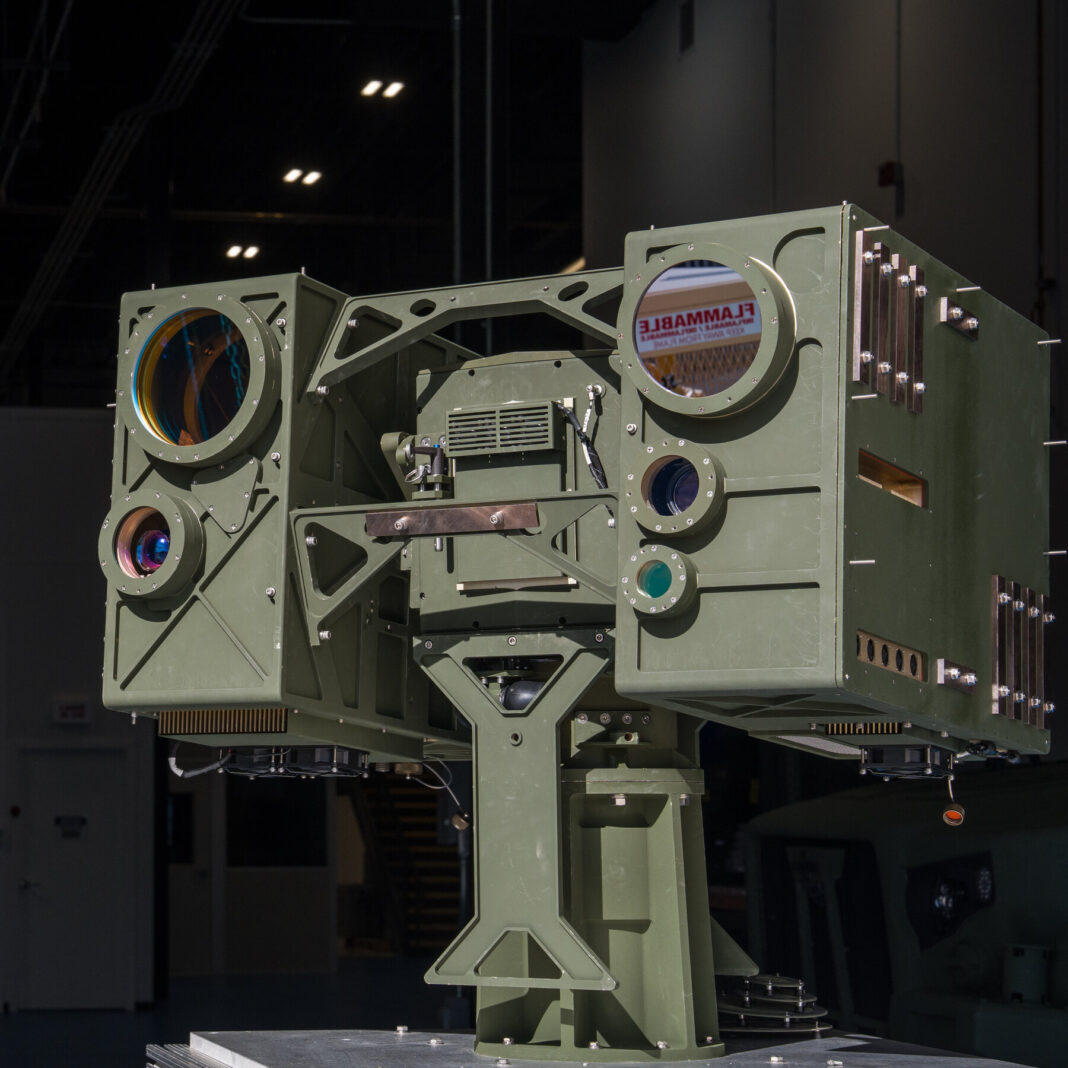
The Federal Aviation Administration has authorized the U.S. military to operate anti-drone laser systems within domestic airspace. This decision follows a period of regulatory review and interagency coordination.
Earlier this year, operational tests of these directed-energy devices prompted two temporary airspace closures in Texas. The incidents highlighted the need for clear protocols when deploying such systems near civilian airports.
These high-energy lasers are designed to disable unauthorized drones by overheating their critical components. The technology offers a precise, non-kinetic method for countering potential airborne threats.
Military officials argue the capability is essential for protecting sensitive installations and public events. The systems provide a way to neutralize drones without the risks of falling debris from traditional countermeasures.
The FAA’s approval establishes specific safety and operational parameters for their use. Regulators will require detailed coordination to ensure no interference with manned aircraft and airport operations.
This move signals a growing integration of advanced defensive technologies into national airspace. It reflects the evolving challenge posed by the proliferation of commercial and recreational drones.
The policy aims to balance national security requirements with the paramount need for aviation safety. Further guidelines and testing are expected as the technology continues to develop.