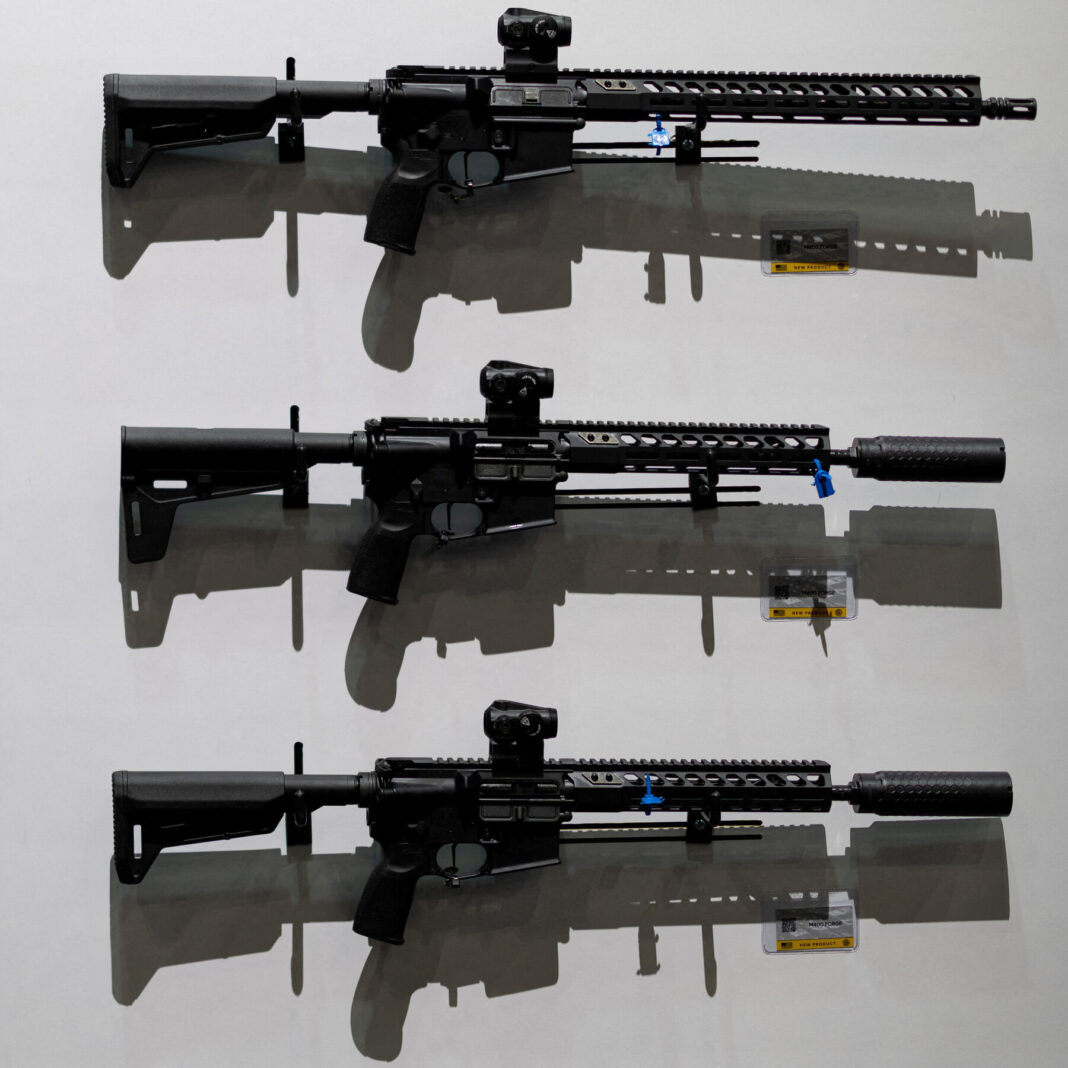
A federal judge has struck down a key provision of the National Firearms Act, ruling that its permitting requirements violate the Second Amendment. The decision targets regulations on short-barreled rifles, short-barreled shotguns, and firearm suppressors.
The National Firearms Act, enacted in 1934, imposed a strict registration and taxation process for these specific weapons. The law required owners to undergo a detailed application, pay a $200 tax, and receive approval from the Bureau of Alcohol, Tobacco, Firearms and Explosives before taking possession. The judge deemed this framework unconstitutional in a written opinion issued Wednesday.
This ruling challenges a regulatory structure that has stood for nearly a century. The court argued that these firearms are protected under the Second Amendment and that the government failed to show a historical basis for the restrictions. Legal experts noted that the decision could set a precedent for similar challenges to federal gun control laws.
The case originated from a challenge filed by gun owners and advocacy groups who argued the law placed an undue burden on law-abiding citizens. They claimed the permitting process was outdated and penalized the possession of common firearms. The government defended the law as a necessary measure to curb violent crime, citing its long history and public safety benefits.
In his ruling, the judge emphasized that the weapons in question are commonly owned and not unusually dangerous. He rejected arguments that suppressors or short-barreled designs pose a unique threat to public order. The opinion draws on recent Supreme Court precedent that requires gun laws to align with the nation’s historical tradition of firearm regulation.
The immediate impact of the ruling remains unclear, as the Justice Department is expected to appeal. An appellate court could stay the decision, leaving the law in place during the legal process. Gun control advocates warned that the ruling could lead to increased availability of these weapons without federal oversight.
Proponents of the decision hailed it as a victory for individual rights, arguing that the tax and approval process served little practical purpose. They pointed to the low rate of violent crime involving these firearms. The case now moves toward the appeals court, where its outcome could shape the future of federal gun policy.