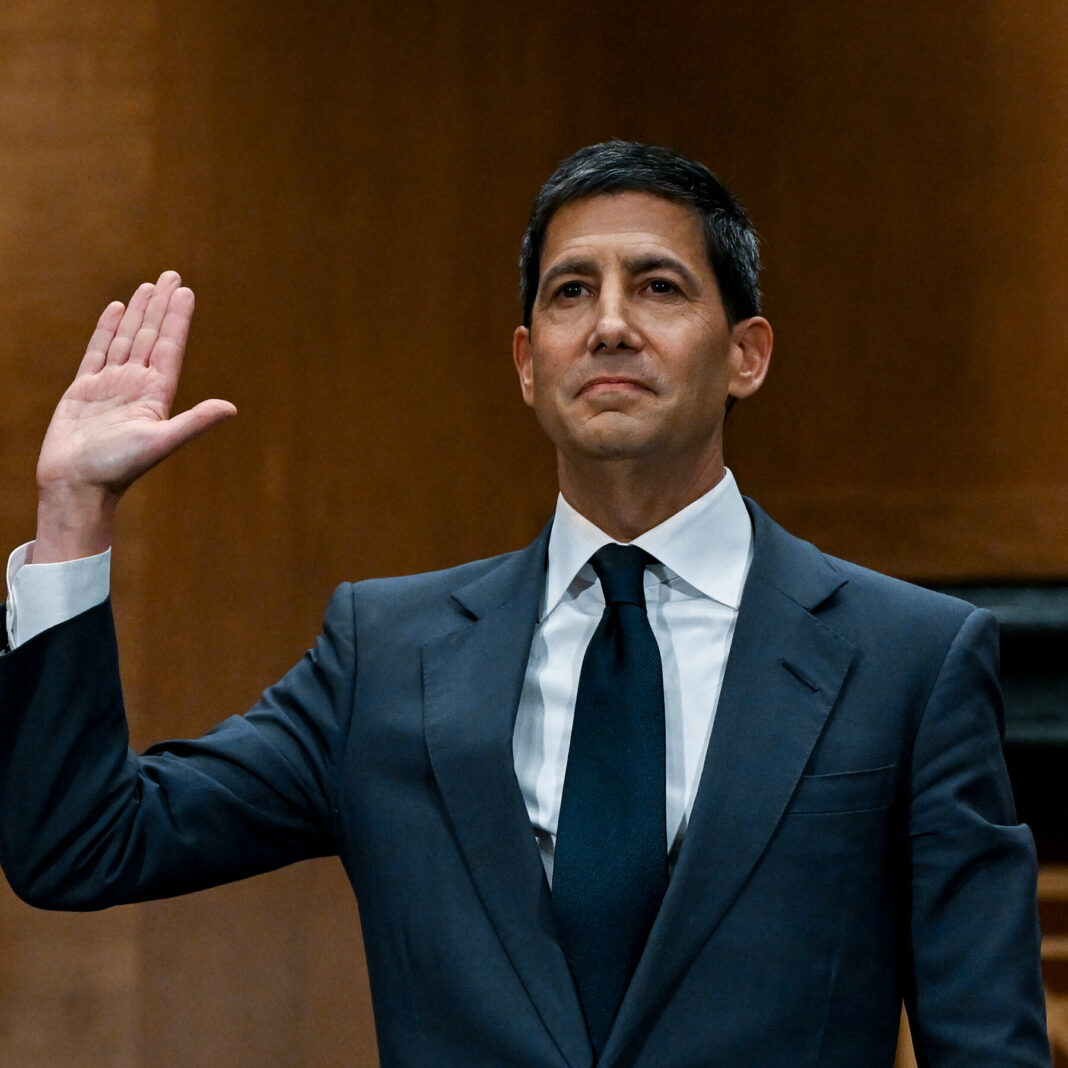
Kevin M. Warsh is set to take over as chair of the Federal Reserve amid a growing threat of inflation. The economic landscape he inherits does not support the interest rate cuts President Trump has called for. Warsh faces a challenging balancing act between political pressure and economic stability.
Inflation has been rising faster than expected, complicating the Fed’s monetary policy decisions. Consumer prices have climbed, putting strain on households and businesses. Warsh must now navigate a path that addresses these inflationary pressures without triggering a downturn.
The president has repeatedly pushed for lower rates to stimulate economic growth. However, current data suggests that cutting rates could fuel inflation further. Warsh’s stance will likely diverge from the administration’s wishes, testing his independence.
Warsh previously served as a Fed governor during the 2008 financial crisis, giving him direct experience with economic turbulence. His background in both policy and finance positions him as a steady hand. Markets are watching closely for his first moves.
The Fed’s dual mandate requires stable prices and maximum employment. With inflation above target, rate cuts are off the table for now. Warsh will need to communicate this clearly to avoid market volatility.
His appointment comes at a time of global economic uncertainty. Trade tensions and supply chain disruptions add further complexity. Warsh must weigh domestic needs against international risks.
Ultimately, Warsh’s leadership will be defined by his ability to remain data-driven. He cannot afford to bow to political demands at the expense of long-term economic health. The next few months will set the tone for his tenure.