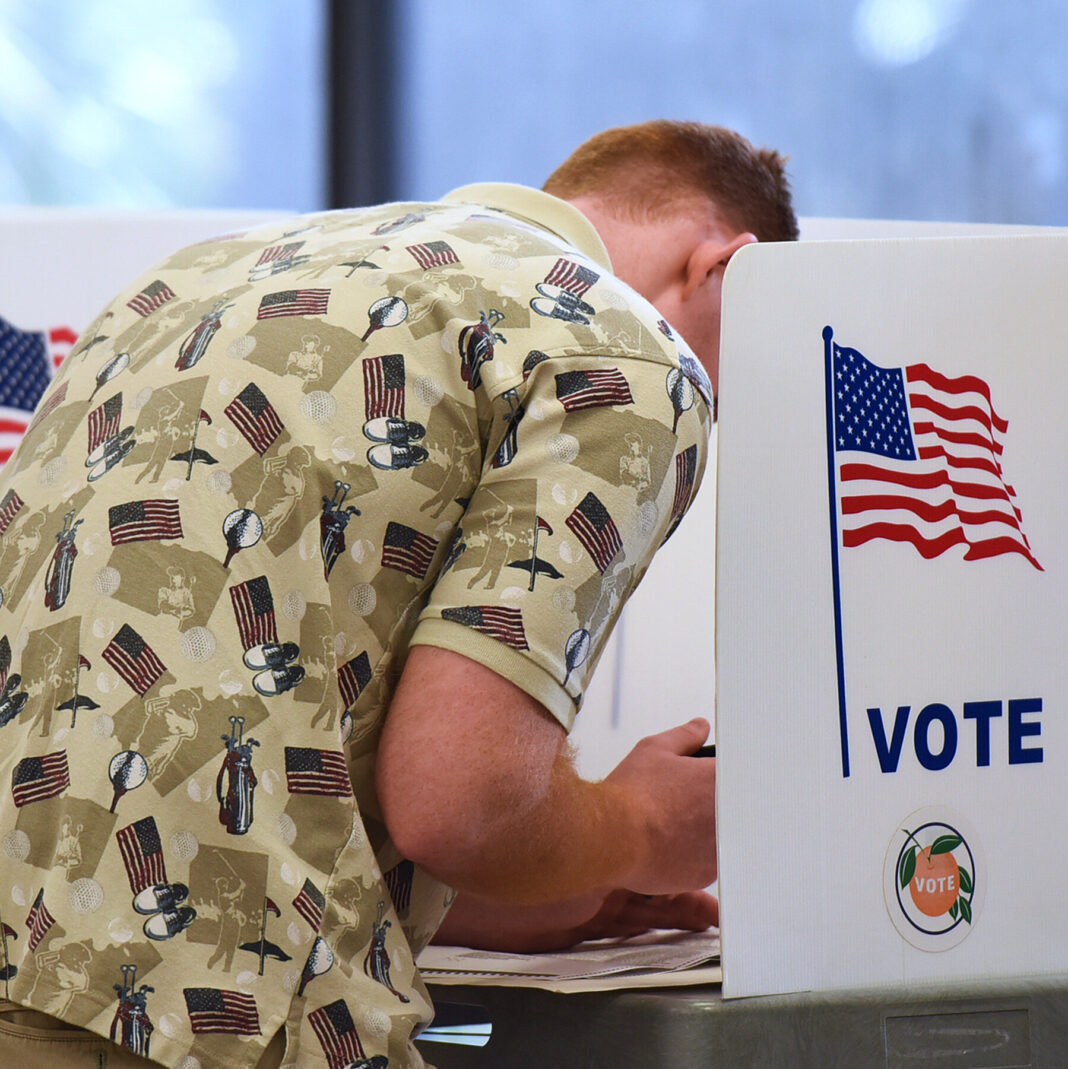
Florida’s primary elections this week reinforced the state’s transformation into a Republican stronghold, with the party now holding every statewide elected office. Voter registration trends have shifted dramatically in recent years, favoring the GOP by a wide margin. A newly redrawn congressional map has also added four Republican-leaning districts, further cementing the party’s influence.
The primary results highlighted the absence of competitive Democratic races in many regions, a stark contrast to the state’s historical status as a battleground. Republican candidates largely ran uncontested or faced only nominal challengers, signaling a consolidation of party power. This shift reflects broader demographic and migration patterns that have reshaped the electorate over the past decade.
Democrats have struggled to regain footing, with voter registration numbers lagging significantly behind Republicans. The party’s once-strong urban strongholds remain, but they are increasingly isolated in a state where suburban and rural areas lean firmly conservative. Internal divisions over strategy have further complicated efforts to rebuild a statewide presence.
The new congressional map, drawn by the Republican-controlled legislature, has drawn criticism from Democratic leaders who argue it dilutes minority voting strength. Legal challenges have been filed, but courts have so far allowed the map to stand for the current election cycle. The added districts are expected to give Republicans a 20-8 advantage in Florida’s House delegation after November.
Political analysts note that Florida’s shift mirrors national trends, but the speed and depth of the change have been unusually swift. The state’s growing population, fueled by domestic migration from northern states, has brought in a significant number of conservative-leaning voters. Economic factors, including favorable tax policies, have also contributed to the Republican appeal.
For Democrats, the path forward remains uncertain as they look to 2028 and beyond. Some party leaders advocate for focusing on local races and down-ballot contests to rebuild credibility. Others argue that a more aggressive national message on issues like abortion rights and healthcare could re-engage voters.
The primary season has offered few surprises, with most incumbents easily securing their party’s nomination. High-profile Republican figures, including several potential presidential contenders, used the races to bolster their national profiles. Meanwhile, Democratic candidates in competitive general election districts are bracing for tough battles in November.
Florida’s new identity as a Republican juggernaut has practical implications for national policy, given its large share of Electoral College votes. The state’s alignment with GOP priorities on taxes, immigration, and education makes it a reliable base for conservative initiatives. National party officials have already signaled increased investment in the state for upcoming cycles.