Iceland’s capital is known for its high costs, but strategic planning can significantly reduce expenses during a visit.
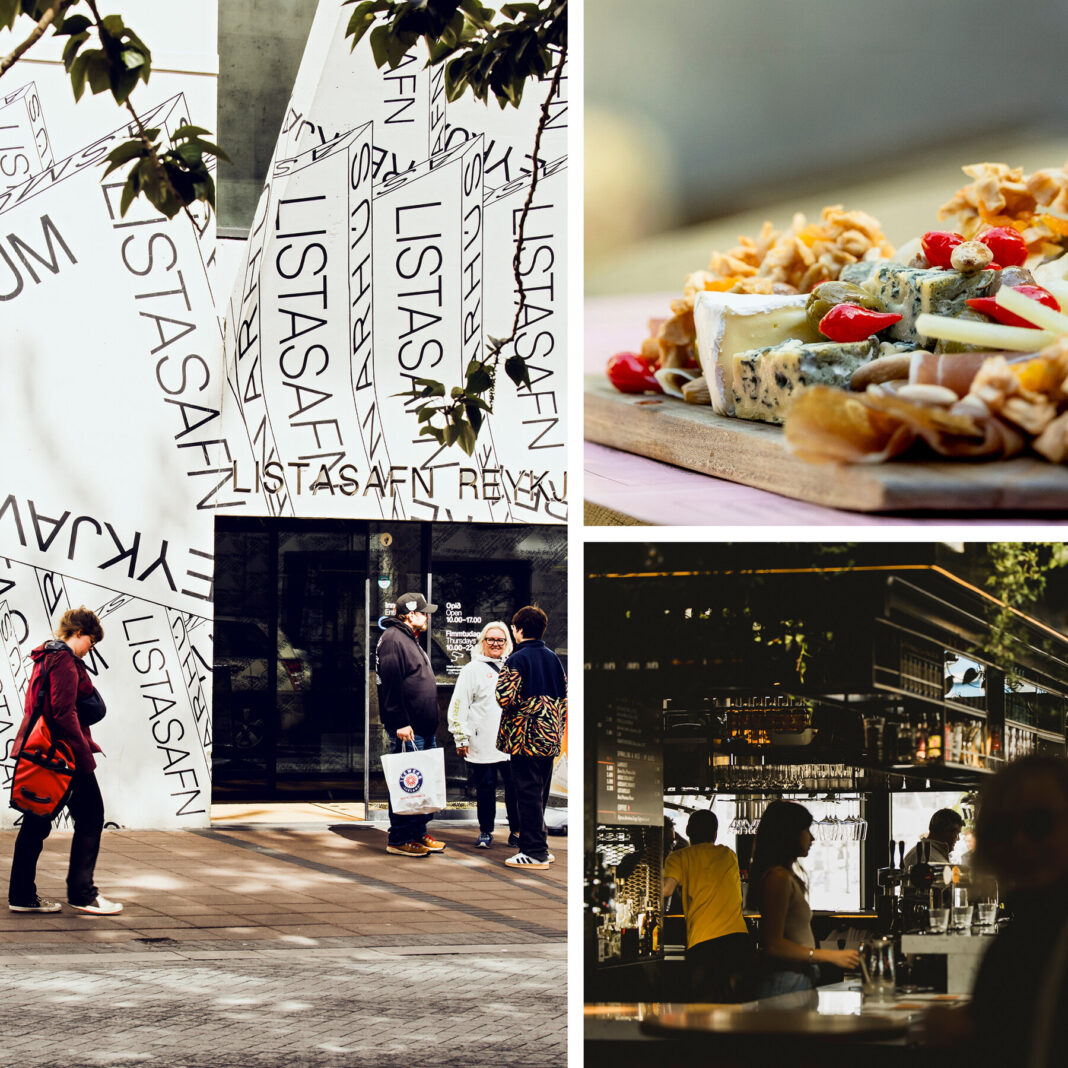
A museum pass offers access to multiple cultural sites for a single price, making it a practical tool for budget-conscious travelers.
Public hot springs provide a cheaper alternative to the popular Blue Lagoon, with local pools offering similar geothermal experiences.
Free airline stopovers allow travelers to extend a transatlantic flight with a layover in Iceland at no extra airfare cost.
Accommodation savings are possible by booking guesthouses or hostels outside the city center, where prices drop noticeably.
Grocery stores like Bónus and Krónan offer affordable meal options, reducing the need for expensive restaurant dining.
Dining during lunch hours often costs less than dinner, as many restaurants serve discounted midday menus.
Walking and public buses serve the city well, eliminating the need for rental cars or frequent taxis.
Seasonal travel during shoulder months like May or September can lower flight and lodging prices compared to peak summer rates.
Planning ahead with these tactics helps visitors enjoy Reykjavik’s highlights without overspending.