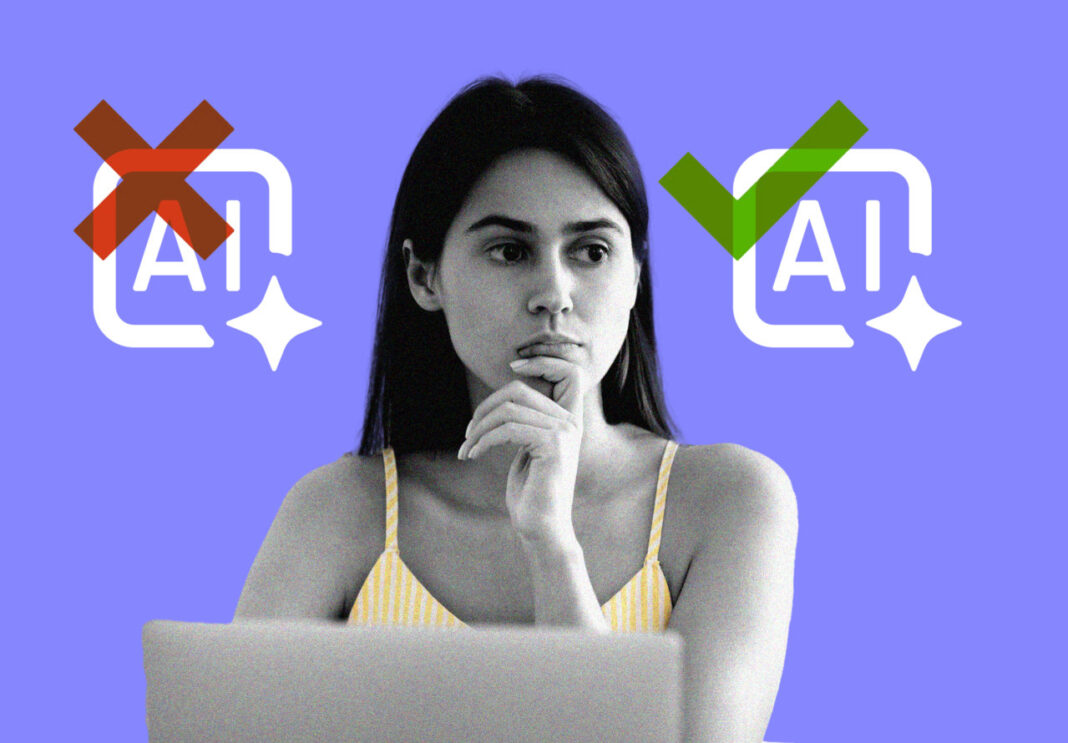
For many recent graduates, a confusing double standard has emerged around artificial intelligence. In classrooms, using AI tools like ChatGPT is often labeled as cheating. In the workplace, however, employers increasingly expect new hires to be proficient with the same technology.
This mixed messaging presents a significant challenge for Gen Z, who are already navigating a tough job market. Students who were penalized for using AI in school are now told to highlight those skills on their resumes. The abrupt shift in expectations leaves many feeling unprepared and uncertain.
Companies across various industries are adopting AI to boost productivity and streamline tasks. Roles in marketing, data analysis, and customer service now frequently require familiarity with AI-driven software. Employers view AI competency as a critical skill, not a shortcut.
Educational institutions, meanwhile, remain divided on how to handle AI in academic settings. Many schools maintain strict policies against using AI for assignments, focusing on traditional assessments and academic integrity. This creates a disconnect between the skills taught and those demanded by the job market.
New graduates often face criticism for lacking hands-on experience with AI tools. Yet, they had little opportunity to develop those skills without risking academic penalties. The conflicting standards can make job hunting even more stressful for young professionals.
Some career experts advise graduates to be transparent about their AI experience in interviews. Highlighting self-taught skills or side projects using AI tools can help bridge the gap. The key, they say, is demonstrating adaptability and a willingness to learn.
As AI continues to reshape the workplace, the conversation around its role in education must evolve. Without clearer guidance, the next generation of workers will remain stuck between two opposing expectations. The double standard is unlikely to resolve on its own.